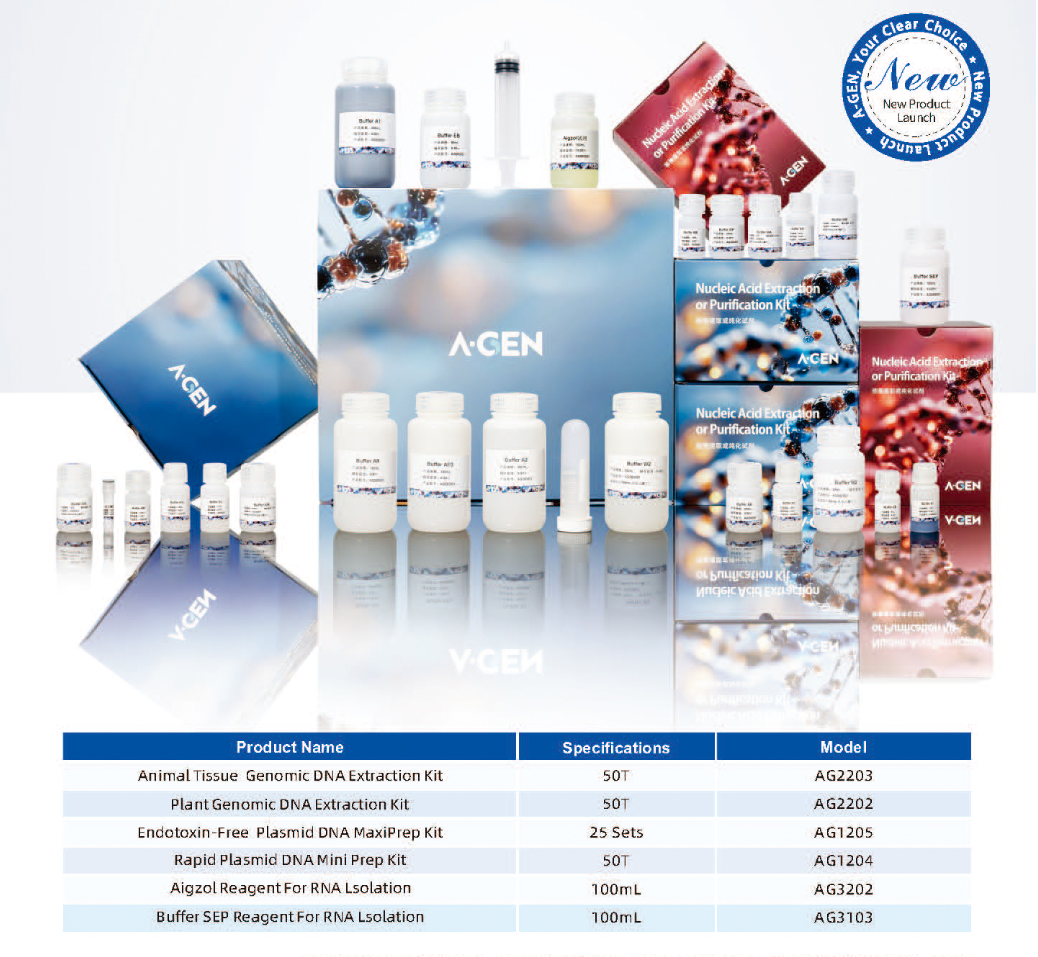

In molecular biology, downstream applications such as gene cloning, expression analysis, sequencing, and PCR verification require DNA samples of exceptionally high purity and structural integrity.
As a core technique for isolating target DNA fragments, DNA gel extraction relies heavily on standardized operating protocols and premium lab consumables to minimize sample loss and cross-contamination. Equipped with high-binding silica glass fiber membranes, A-Gen Spin Columns (Purification Columns) deliver exceptional performance and reliable data reproducibility for researchers worldwide.
01 Experimental Principle
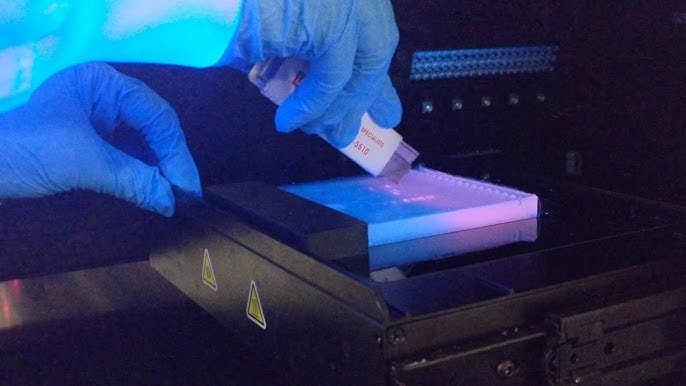
After PCR amplification, reaction mixtures are separated on an agarose gel by molecular weight. Compared against a DNA ladder, the gel slice containing the target DNA band is excised under UV light. The gel block is then dissolved using a specialized binding buffer (chaotropic salt chemistry), releasing DNA into solution for column-based adsorption, washing, and high-purity elution.
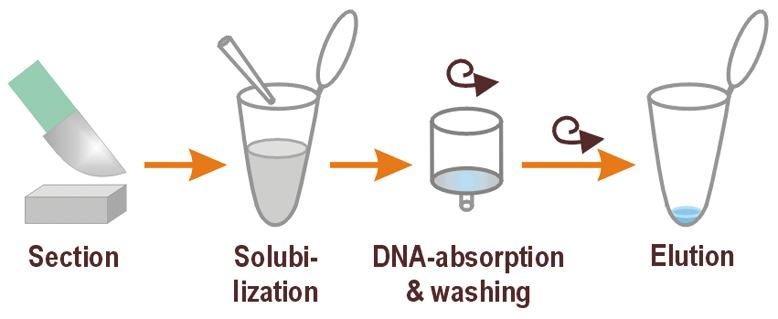
02 Standard Operating Workflow
1. Sample Pretreatment & Binding:
Transfer the PCR mixture or gel solution into a 1.5 mL microcentrifuge tube, add Binding Buffer at the specified ratio (e.g., 1:3), and mix thoroughly.
2. DNA Adsorption & Primary Centrifugation:
Place the spin column into a 2 mL collection tube and transfer the mixture into the column matrix. Let stand upright at room temperature for 2 minutes, then centrifuge at 8,000 × g (or ~8,000 rpm) for 1 minute.
3. Primary Wash (Impurity Removal):
Discard the flow-through, add 500 μL of Wash Buffer to the column, and centrifuge at 12,000 × g for 1 minute. Discard flow-through and reinsert the column into the collection tube.
4. Secondary Wash & Drying:
Add another 500 μL of Wash Buffer, centrifuge at 12,000 × g for 1 minute, discard flow-through, and centrifuge again for 1–2 minutes to completely remove residual ethanol.
5. DNA Elution & Storage:
Transfer the column into a clean, sterile 1.5 mL tube. Dispense 30–50 μL of pre-warmed (50 °C) Elution Buffer (or nuclease-free water) directly onto the center of the membrane. Incubate at 50 °C for 2 minutes, then centrifuge at 12,000 × g for 1 minute. Store eluted DNA at -20 °C or use immediately.
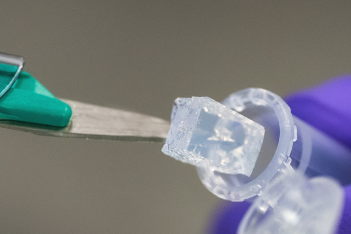
03 Troubleshooting Guide for Gel Extraction
| Problem | Potential Causes | Recommended Solutions |
|---|---|---|
| Low DNA Yield / Recovery | • Prolonged UV exposure damages DNA structure | • Minimize UV exposure during band excision; use a transilluminator. |
| Low Elution Efficiency | • Residual ethanol from Wash Buffer hinders elution | • Air-dry the column with lid open for 2–3 min after drying centrifugation. |
| Incomplete Agarose Melting | • Insufficient mixing during 55 °C incubation | • Invert tube periodically during incubation until gel fully dissolves. |
| Exogenous DNA Contamination | • Non-sterile work environment or improper aseptic technique. | • Work in a clean bench, use certified DNase-free consumables, and change tips frequently. |
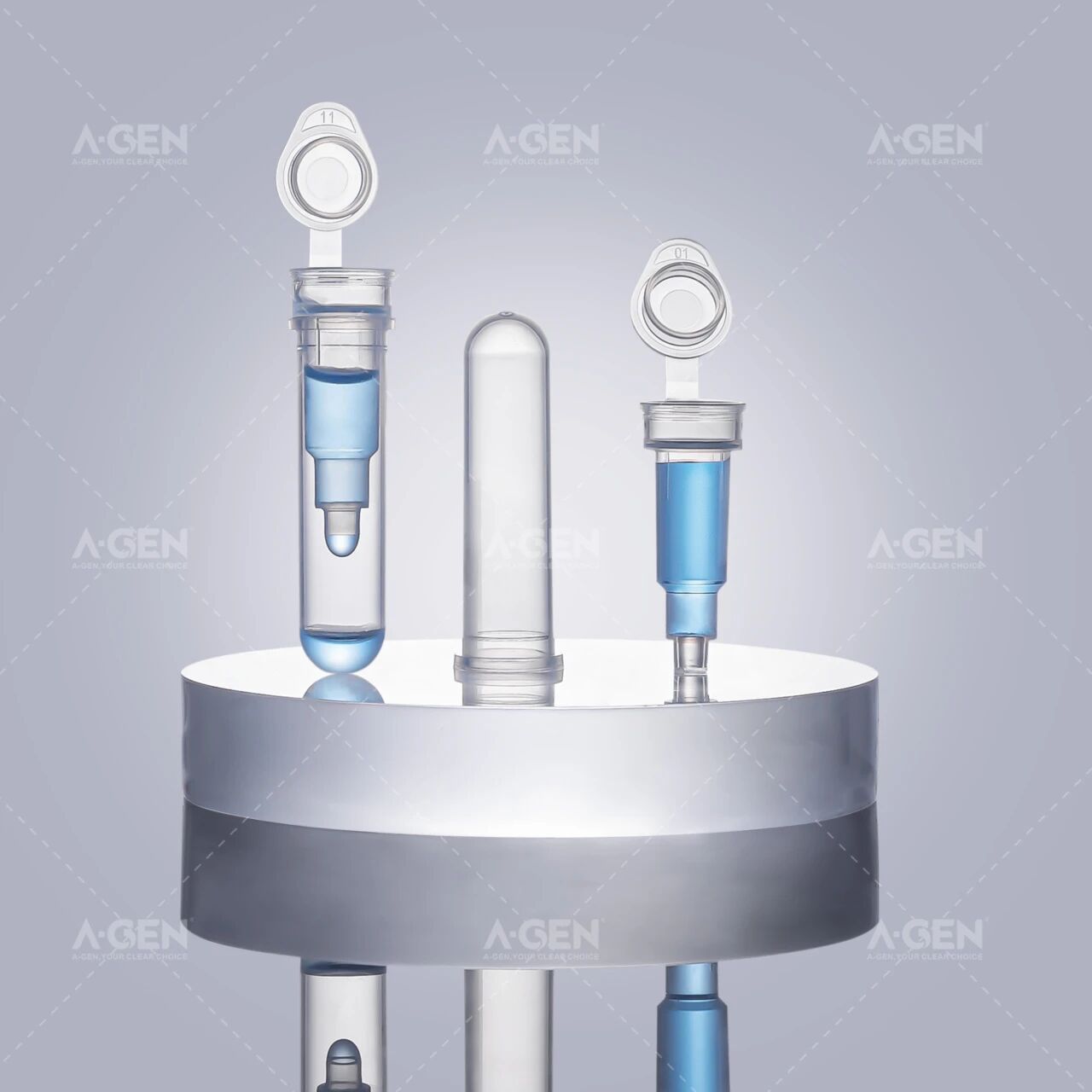
04 Important Operational Considerations
Reagent Preparation: Strictly follow kit instructions regarding the addition of absolute ethanol to Wash Buffer before first use.
Safety Protection: Nucleic acid stains (e.g., Ethidium Bromide or gel dyes) are mutagenic. Wear appropriate PPE (gloves, safety glasses) and dispose of hazardous waste properly.
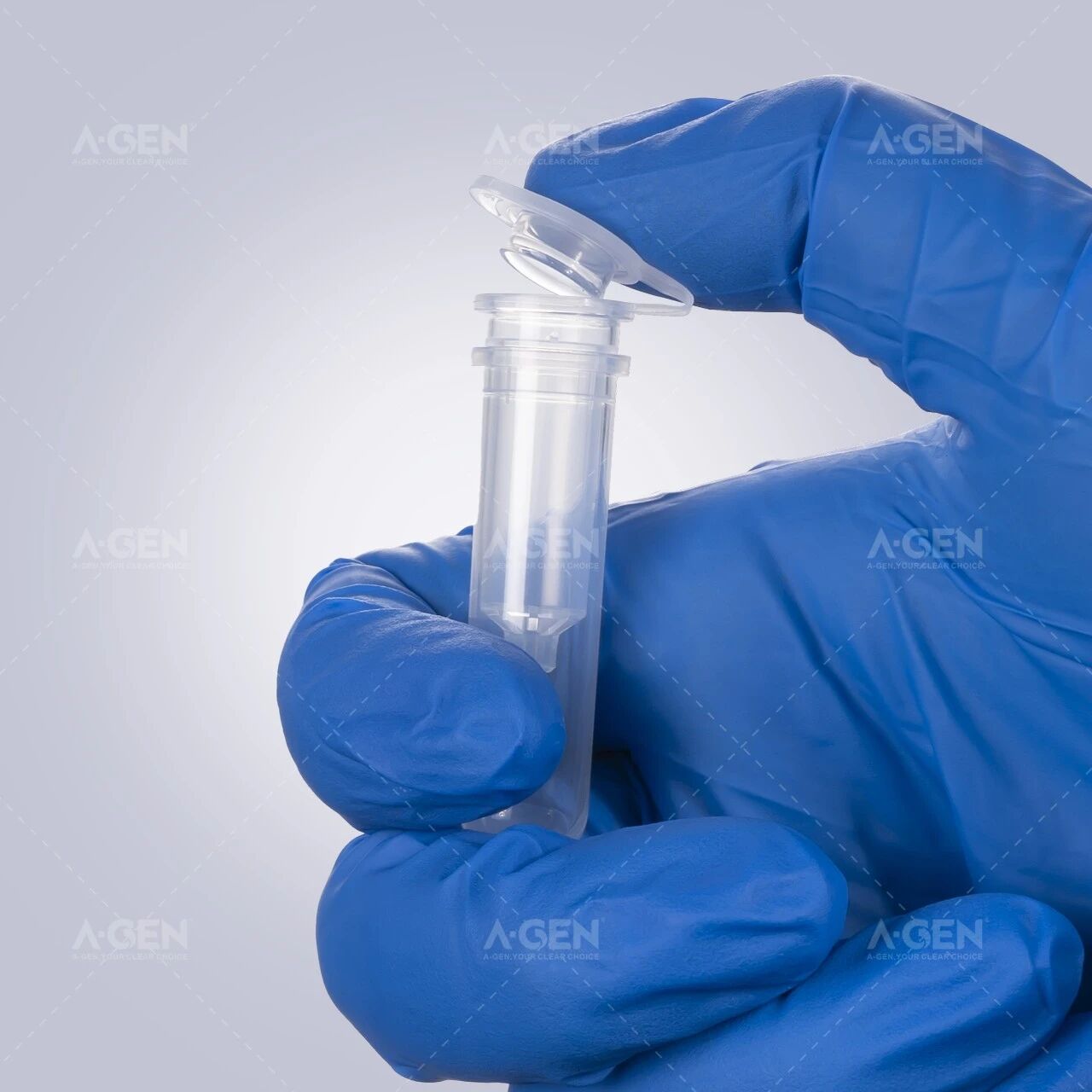
05 Product Spotlight: A-Gen Spin Columns
A-Gen Spin Columns offer superior binding capacity and ultra-clean performance to safeguard your nucleic acid recovery:
USP Class VI Polypropylene: Manufactured from imported medical-grade PP; certified DNase/RNase-free, endotoxin-free, and non-pyrogenic.
High Centrifugal Strength: Uniform wall thickness withstands high-speed centrifugation up to 24,000 × g without cracking or bursting.
Pure & Uncoated: High-precision molding with zero surface coatings to prevent chemical leaching or sample contamination.
High-Binding Silica Membrane: Assembled with high-purity glass fiber membranes for consistent, high-yield DNA recovery (>80–90%).
Ergonomic Snap-Cap Design: Leak-proof cap enables easy one-handed operation while maintaining complete seal integrity.
About A-Gen
Founded in 2009, A-Gen Biotech is a high-tech enterprise dedicated to the R&D and manufacturing of high-quality laboratory consumables for life sciences, biotechnology, and clinical diagnostics. Operating under strict ISO 13485 and CE quality standards, A-Gen delivers trusted, high-performance solutions to laboratories worldwide.
Choose A-Gen, Choose Quality.