Meta Description: Compare Matrigel and ultra-low attachment plates for 3D cell culture. Learn which method suits your spheroid and organoid models, and how to achieve reproducible results.
Three-dimensional (3D) cell culture has become a cornerstone of modern biomedical research, with spheroids and organoids now widely used in drug discovery, oncology, and stem cell studies. A critical step in establishing these models is ensuring consistent, reproducible cell aggregation. Two primary approaches dominate the field: extracellular matrix (ECM)-based scaffolds like Matrigel, and ultra-low attachment (ULA) surfaces that promote spontaneous cell self-assembly.
Choosing between these methods is not a matter of superiority, but of suitability. Your decision should align with your specific research objectives, throughput requirements, and standardization needs.
1. Matrigel-Based Culture: Mimicking the In Vivo Microenvironment
Matrigel is a solubilized basement membrane preparation extracted from Engelbreth-Holm-Swarm (EHS) mouse sarcomas. It is rich in laminin, collagen IV, and various growth factors, providing a complex ECM that supports tissue-like structures and cellular differentiation.
Advantages:
Provides a physiologically relevant scaffold for cells that require ECM signals.
Supports the formation of complex, organotypic structures in long-term culture.
Limitations:
atch-to-Batch Variability: As a biological product, Matrigel composition can vary between lots, potentially affecting experimental reproducibility.
Xenogeneic Components: The presence of animal-derived proteins and undefined growth factors introduces variables that may confound drug response and mechanistic studies.
Complex Handling: Matrigel requires cold-chain storage and careful temperature-controlled handling to prevent premature gelation, adding technical demands and workflow complexity.
2. Ultra-Low Attachment Plates: Harnessing Cell Self-Organization
In contrast, ultra-low attachment plates do not provide exogenous scaffolds. Instead, they feature a hydrophilic, neutrally charged surface coating that minimizes non-specific cell-substrate adhesion. This forces cells to interact with one another, driving spontaneous aggregation into spheroids.
The core principle: Minimize cell-material interaction → Maximize cell-cell interaction → Promote 3D spheroid formation.
Advantages:
Simpler Workflow: Eliminates the need for ECM coating, reducing hands-on time and reagent costs.
High Reproducibility: The standardized surface chemistry ensures consistent performance across plates and batches, facilitating comparative studies.
Scalability and Automation: Available in 96- and 384-well formats, ULA plates are compatible with high-throughput screening (HTS) platforms for drug toxicity and efficacy testing.
3. Head-to-Head Comparison: Which One Should You Choose?
| Feature | Matrigel Culture | Ultra-Low Attachment Plates |
| Culture Mechanism | Exogenous ECM scaffold | Cell self-aggregation |
| Exogenous Components | Yes (undefined) | No |
| Workflow Complexity | High (cold chain, coating) | Low (ready to use) |
| Batch Consistency | Variable | High |
| HTS Compatibility | Limited | Excellent |
| Best Application | Organoid differentiation, tissue morphogenesis | Spheroid formation, drug screening, reproducible assays |
If your goal is to study complex tissue development or maintain differentiated cell phenotypes, Matrigel-based methods remain valuable. However, if your focus is on building robust spheroid models for screening or assays where reproducibility is paramount, ULA plates offer a more streamlined and standardized approach.
4. A-Gen Ultra-Low Attachment Plates: Engineered for Consistency
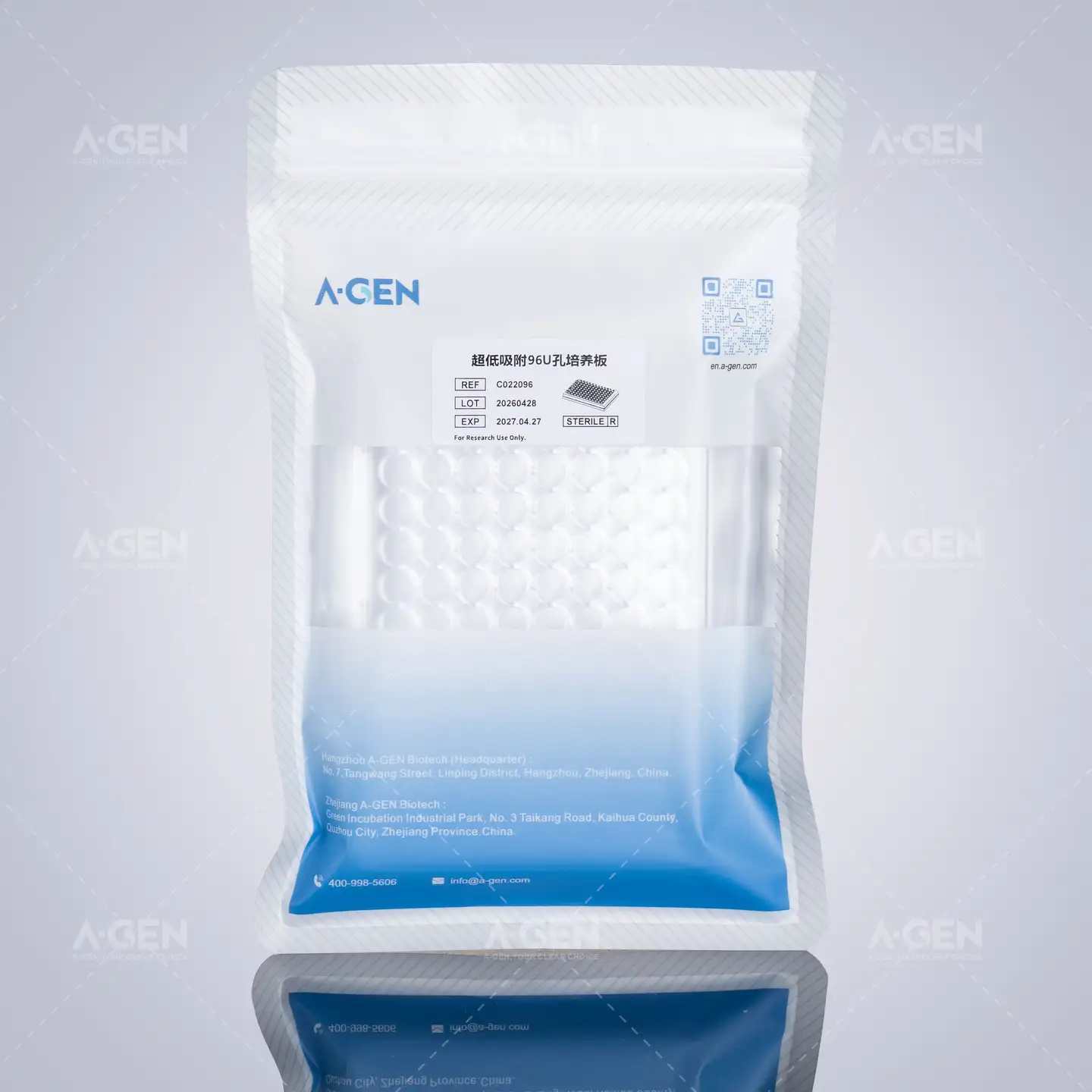
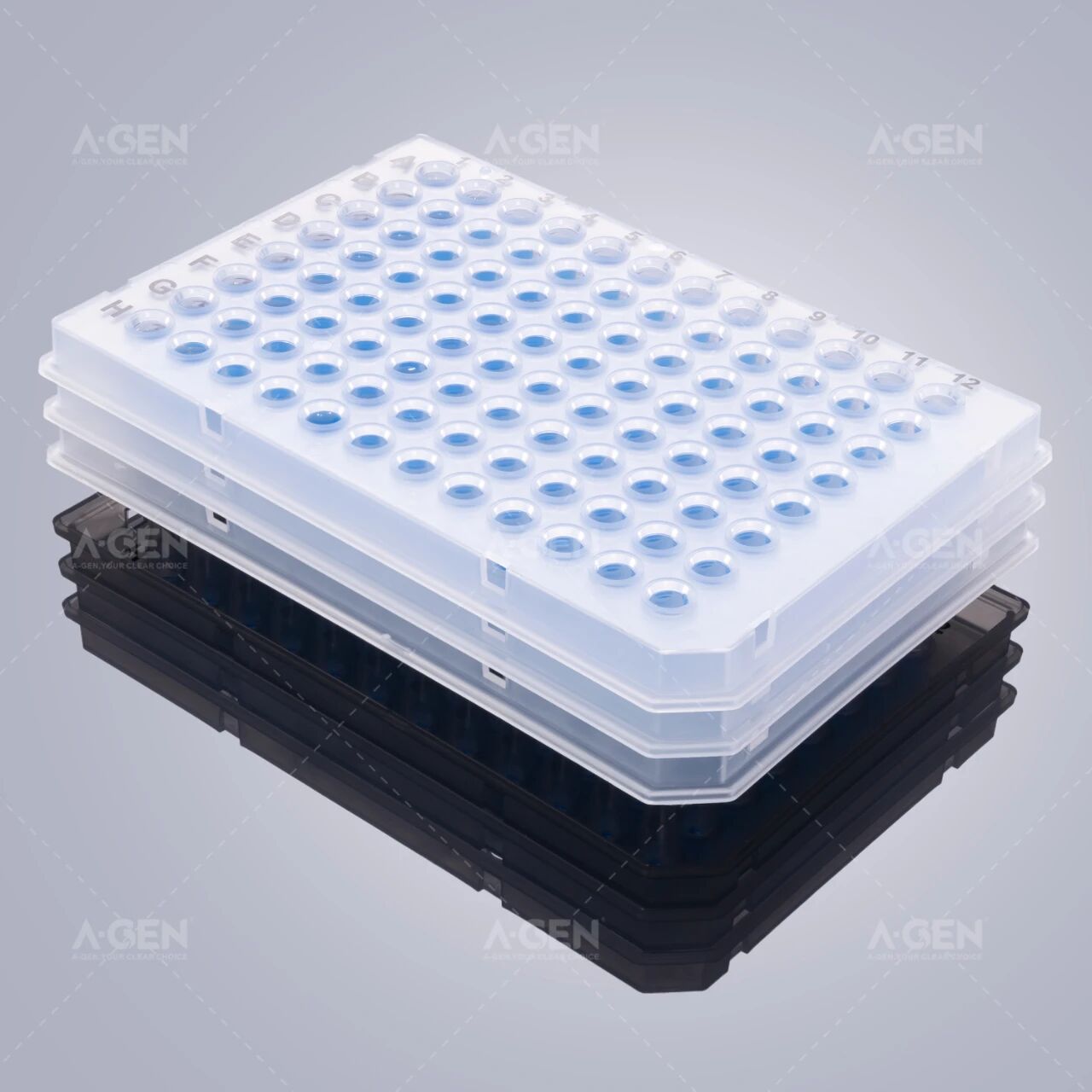
A-Gen Biotech offers a comprehensive range of ultra-low attachment microplates designed to meet the demands of modern 3D cell culture. Our ULA surface features a proprietary ultra-thin hydrophilic coating that effectively prevents cell adhesion while preserving cell viability.
Key Features:
Rapid Spheroid Formation: Supports robust aggregation across multiple cell lines.
Versatile Formats: Available in 6-, 12-, 24-, 48-, 96-, and 384-well plates, including flat-bottom, U-bottom, and V-bottom configurations.
Lot-to-Lot Reproducibility: Manufactured under strict quality control to ensure consistent surface performance.
Ready-to-Use: No pre-coating or special handling required — simply seed cells and culture.
Conclusion
The evolution of 3D cell culture is ultimately a search for models that are more physiologically relevant and experimentally tractable. Matrigel provides a complex exogenous environment, while ULA plates leverage the cells' innate ability to self-organize. By understanding the strengths and limitations of each approach, you can select the system that best supports your research goals.
As the demand for high-throughput, standardized models grows, ULA-based 3D culture systems are poised to play an increasingly central role in life science research and drug development.
Explore A-Gen's ULA plate portfolio or contact our technical support team to find the right format for your application.