
English

Info Center

Home » News » Dry information sharing | Coomassie brilliant blue staining method

Dry information sharing | Coomassie brilliant blue staining method

Views: 0     Author: Site Editor     Publish Time: 2024-08-05      Origin: Site

facebook sharing button
twitter sharing button
line sharing button
wechat sharing button
linkedin sharing button
pinterest sharing button
whatsapp sharing button
kakao sharing button
snapchat sharing button
telegram sharing button
sharethis sharing button

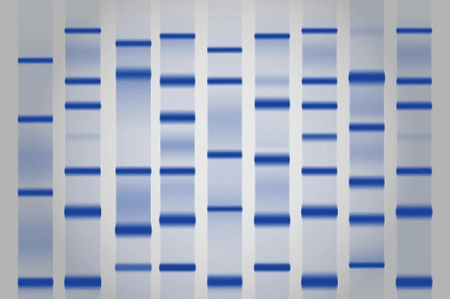
In protein research, clear protein visualization is key. Coomassie Brilliant Blue staining is a classic and efficient solution for quickly visualizing protein bands in gels, benefiting both novice and experienced researchers. Let’s learn about this practical dyeing technique!
v2-9fc97ca6a1e5518500a16414d558da28_1440w

concept

Coomassie brilliant blue staining is a widely used protein staining technique. It binds to the protein through brilliant blue G-250, making the protein appear blue in the gel, allowing the protein to be visualized in the gel.


Classification

There are two main types of Coomassie Brilliant Blue staining: rapid staining and traditional staining. Rapid staining can be completed in 1-2 hours but is less sensitive, traditional staining takes longer (usually overnight) but is more sensitive.


Experimental steps
WeChat picture_20240801170328

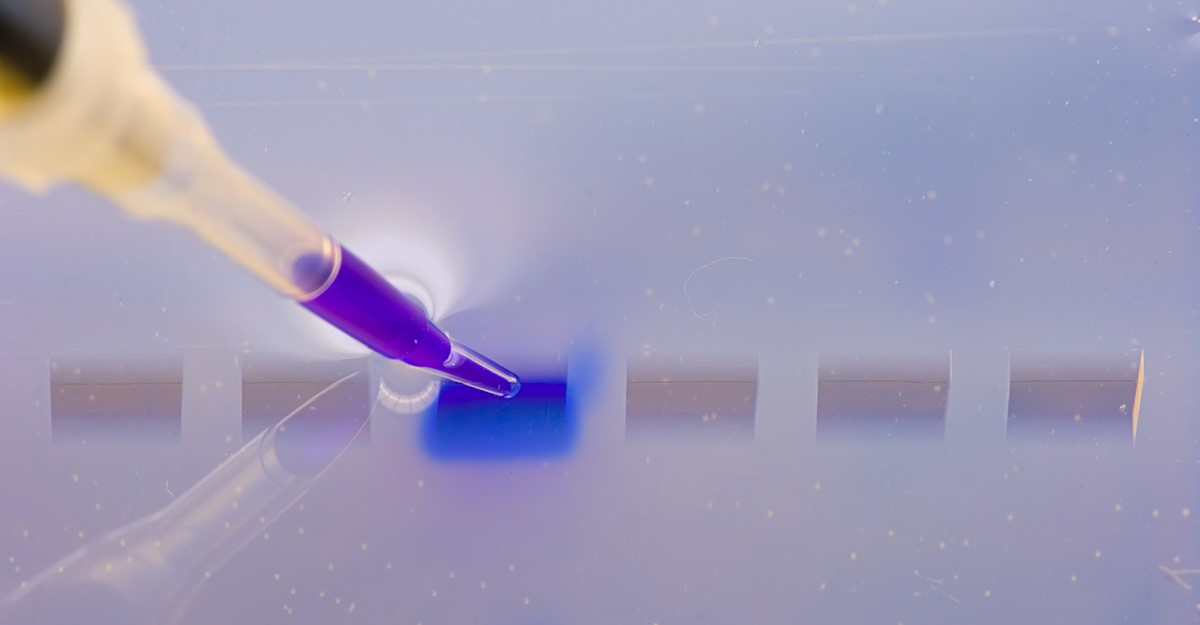
01 Protein electrophoresis

first separates proteins by SDS-PAGE electrophoresis, and selects appropriate gel and electrophoresis conditions based on the size and charge of the protein.

02 dyeing

After electrophoresis, place the gel into a container containing brilliant blue G-250 staining solution and shake it on a shaker to ensure that the staining solution evenly contacts every part of the gel. Quick dyeing usually requires shaking for 1 hour, and traditional dyeing requires shaking overnight.

03 Remove dye

Remove the gel from the staining solution and put it into the destaining solution to remove excess staining solution to make the background clear. Rapid stain removal usually requires shaking for 30 minutes to 1 hour, while traditional stain removal requires shaking for 2-3 hours, or until the protein band is clearly visible.

04 Observe and record

Place the gel under a microscope to observe the results, and record the results with a camera or scanner if necessary.

Commonly used reagent formulas


01 Dyeing solution formula

a. Brilliant Blue G-250: 0.1% (w/v)
b. Methanol: 50% (v/v)
c. Acetic acid: 10% (v/v)
d. Deionized water: balance
e. Operation steps: Dissolve Brilliant Blue G-250 in methanol, add acetic acid, then add deionized water, and adjust to the final volume.

02 Dye removal solution formula

a. Methanol: 40% (v/v)
b. Acetic acid: 10% (v/v)
c. Deionized water: remainder
d. Operation steps: Mix methanol and acetic acid, then add deionized water and adjust to the final volume.

Frequently Asked Questions and Solutions


Q: The dyeing effect is not good

Answer: It may be that the dyeing time is insufficient or the dyeing solution is improperly prepared. You can extend the dyeing time or check the dyeing solution preparation to ensure that the Brilliant Blue G-250 concentration and pH value are within the correct range.

Question: The background is too dark

Answer: It may be that the dye removal is not sufficient. Consider extending the dye removal time or replacing the dye removal solution with fresh one.

Q: The protein band is not obvious

Answer: It may be that the protein concentration is too low or the electrophoresis conditions are inappropriate. The sample protein concentration can be increased or the electrophoresis conditions can be optimized (adjustment of voltage or electrophoresis time).

To be your most trusted supplier of life science consumables, we are on the way.

QUICK LINKS

CATEGORY

Contact us
​Copyright © 2009-2026 Hangzhou A-gen Biotechnology Co., Ltd.​​​​​ Technology by  leadongSitemap. Privacy Policy.   浙ICP备11063289号-1