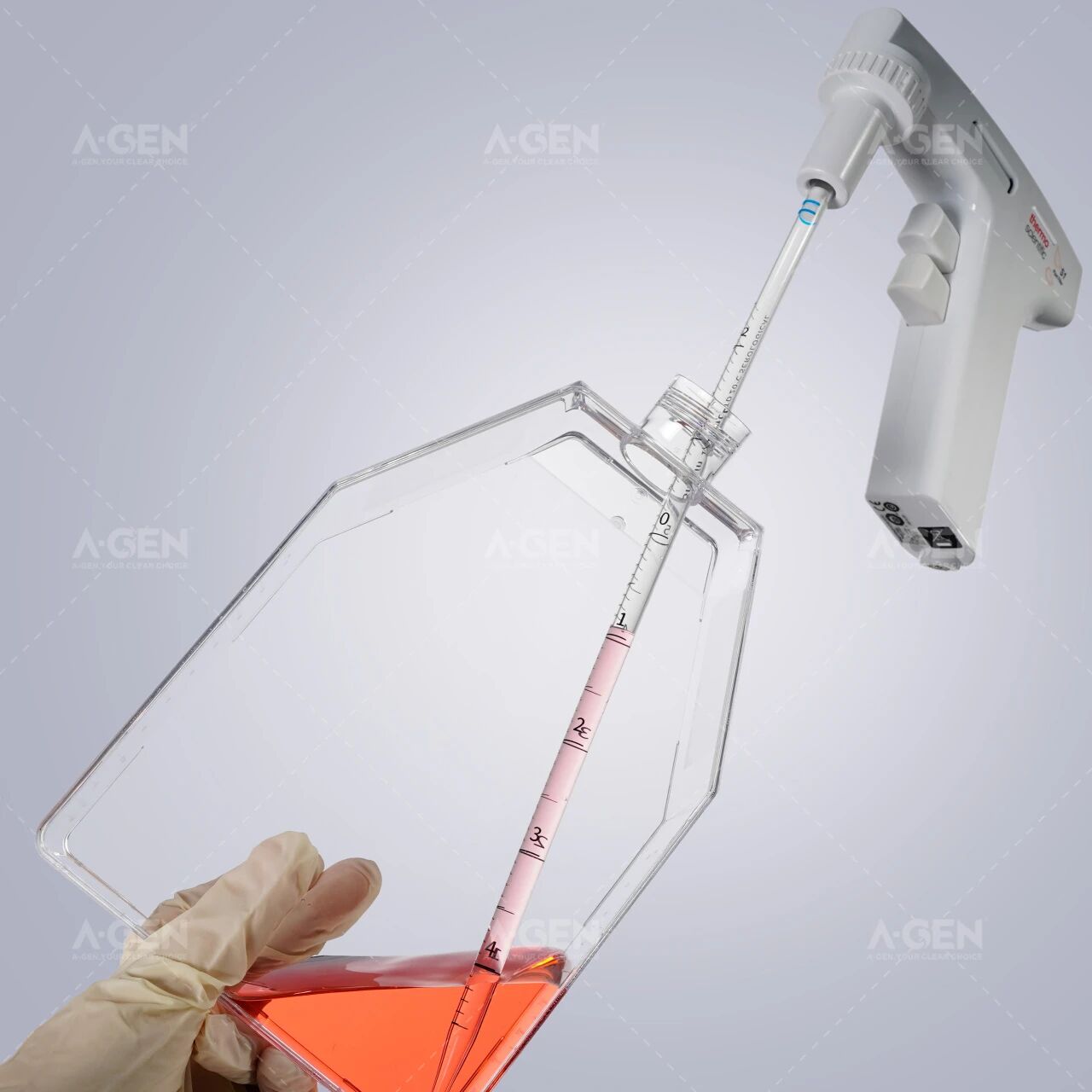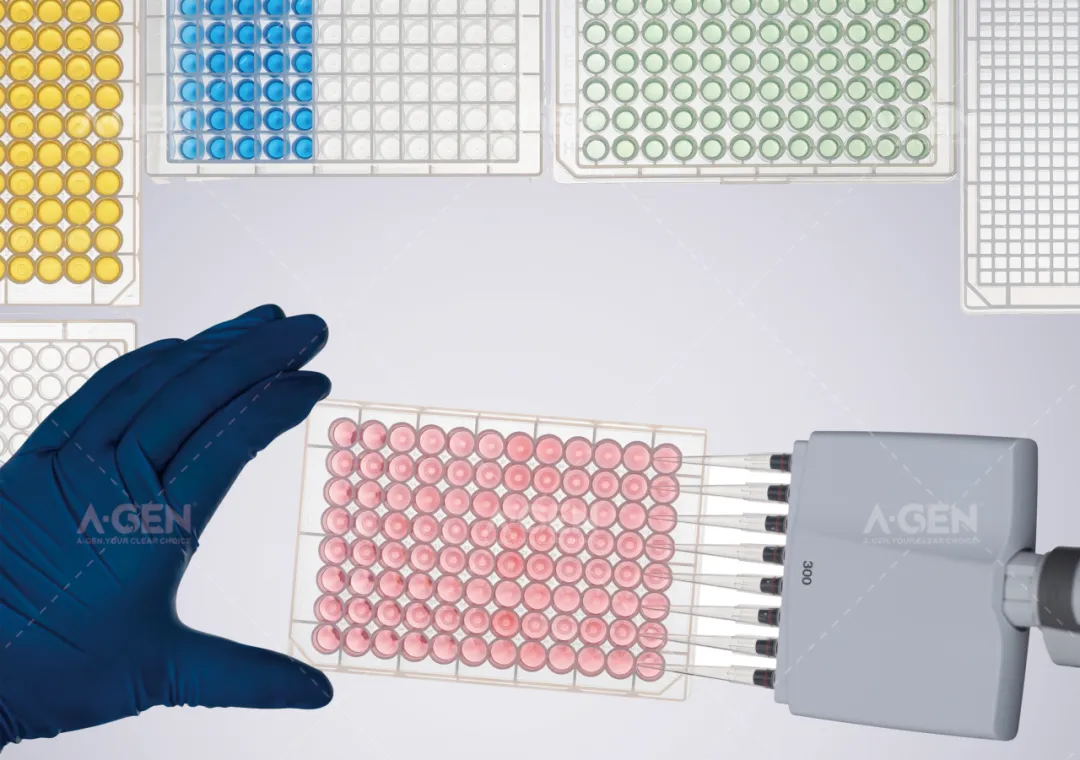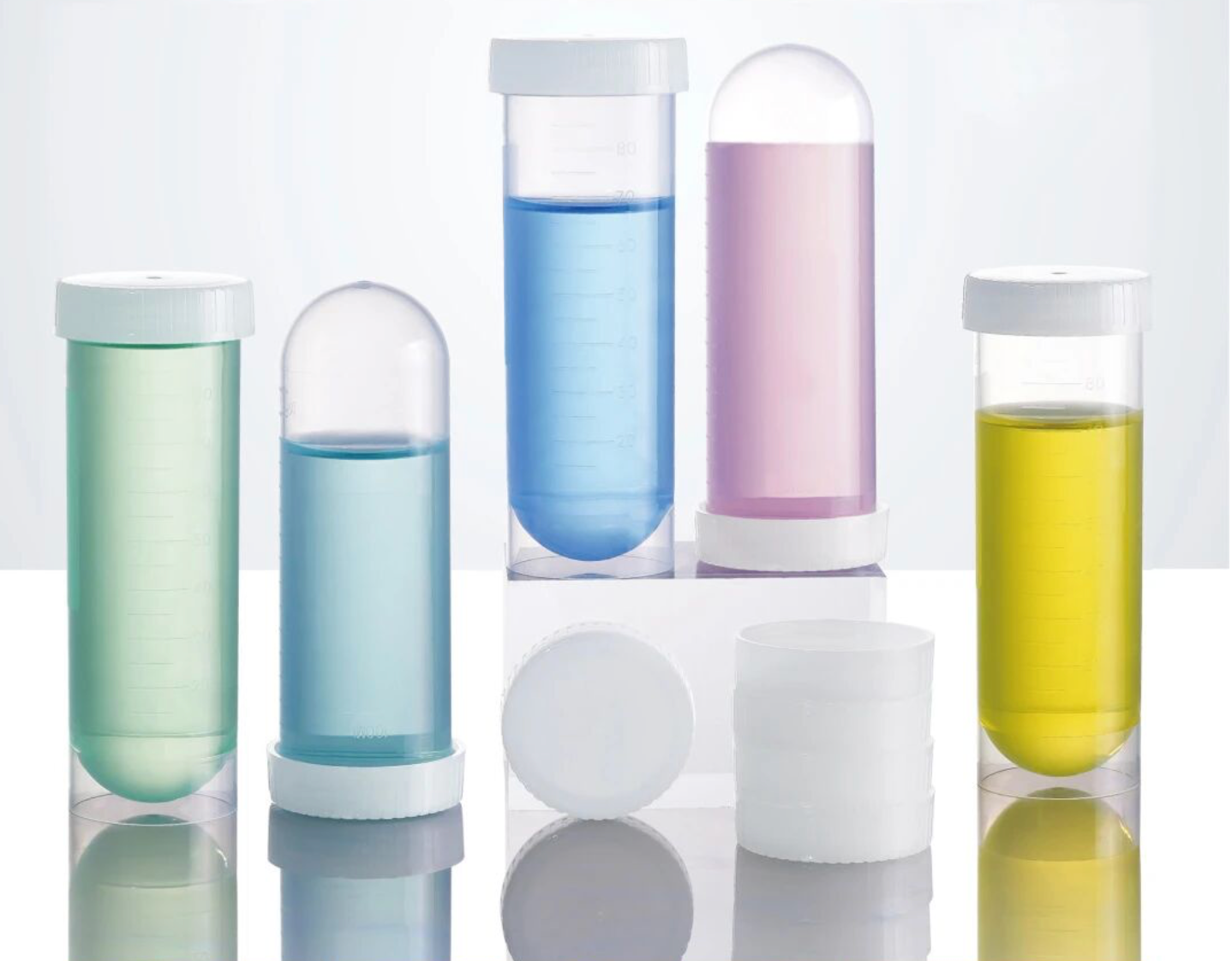
In modern laboratories, plastic consumables are essential tools. Their versatility, lightweight design, durability, and cost-effectiveness make them indispensable—especially in high-throughput liquid handling and long-term storage workflows.
Common plastic materials used in labware include Polypropylene (PP), Polyethylene (PE), Polystyrene (PS), and Polycarbonate (PC). Each polymer exhibits unique physical and chemical properties. Understanding these characteristics helps researchers choose the most suitable consumables for their specific applications.
01 Polypropylene (PP): Superior Chemical Stability & Autoclavability
Polypropylene (PP) is one of the most widely used plastics in life science laboratories. It withstands high temperatures and pressures (autoclavable at 121 °C) and offers exceptional resistance to a broad range of chemical solvents, acids, and bases.

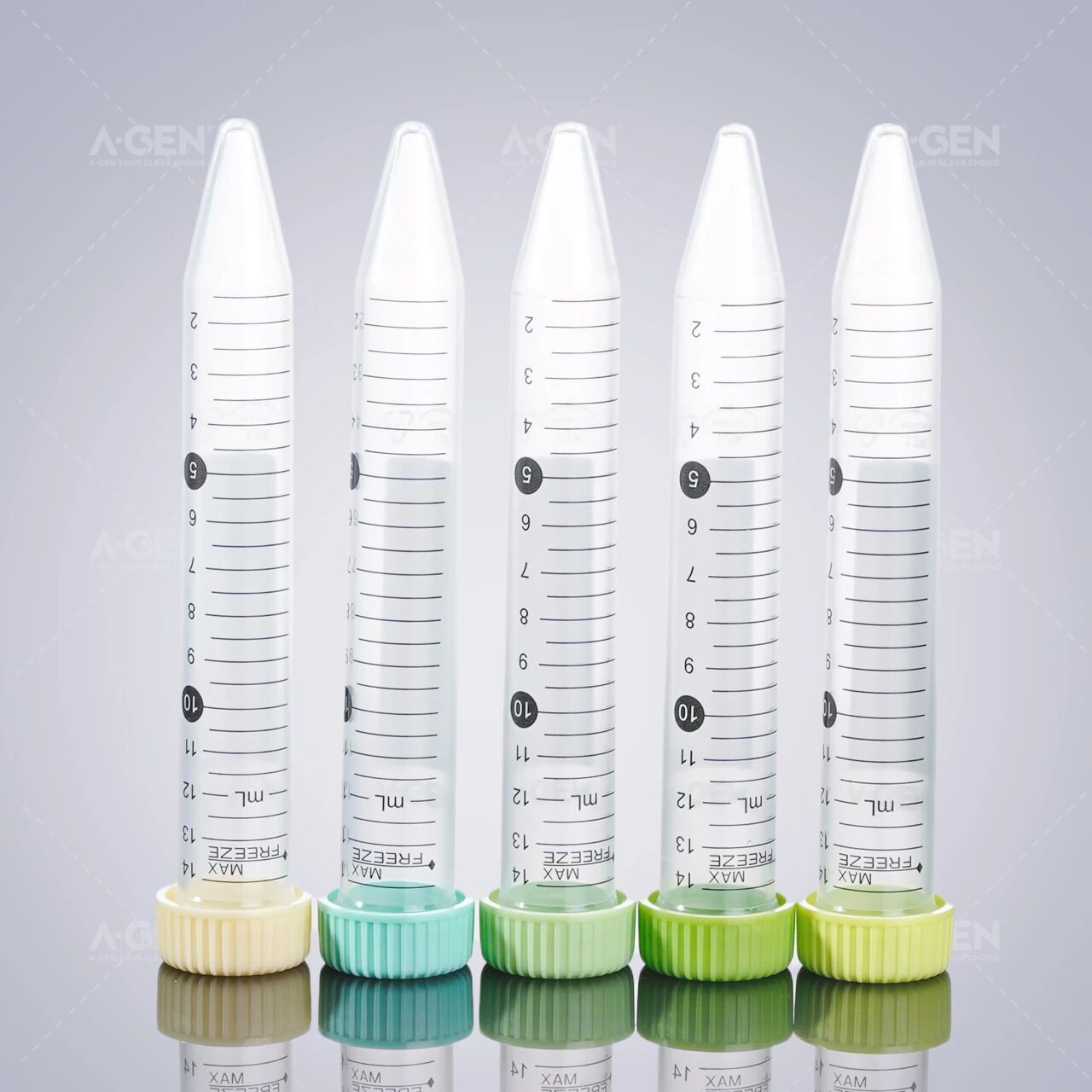
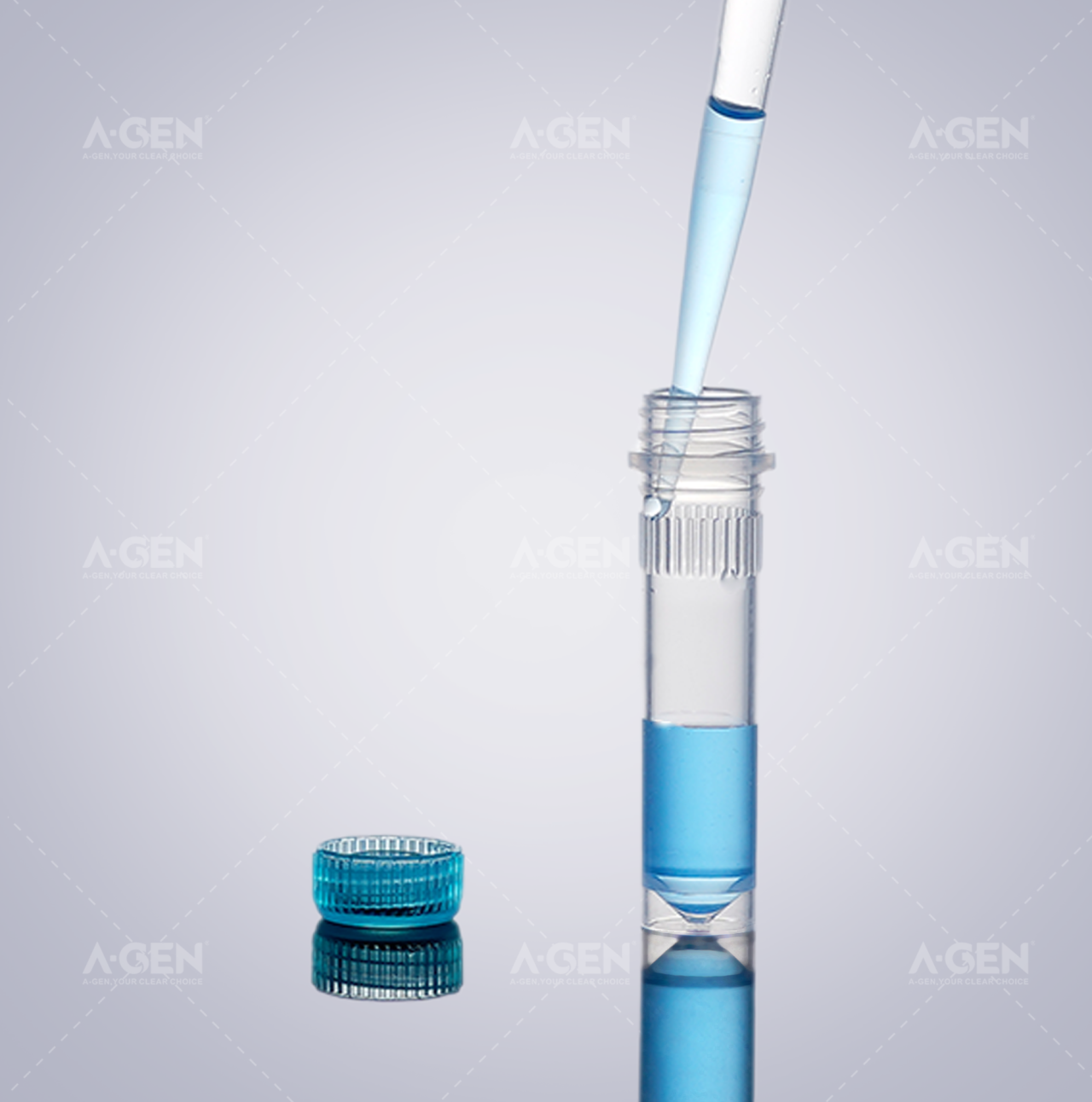
A-Gen PP Product Line: Deep-well plates, reagent reservoirs, pipette tips, centrifuge tubes, screw-cap micro tubes, cryogenic vials, PP reagent bottles, and PCR consumables.
Key Advantages & Applications: PP consumables are extensively used in molecular biology, cell biology, and microbiology. Due to their corrosion and thermal resistance, A-Gen PP centrifuge tubes and cryogenic vials perform reliably under harsh experimental conditions. A-Gen PP reagent bottles offer excellent sealing performance, pressure resistance, and moisture protection to prevent leakage or volatilization.
02 Polyethylene (PE): High Thermal & Low-Temperature Stability
Polyethylene (PE) is available in two main forms: High-Density Polyethylene (HDPE) and Low-Density Polyethylene (LDPE). HDPE provides high tensile strength and rigidity, while LDPE offers superior flexibility and impact resistance. Although PE softens at high temperatures, it remains highly stable in ultra-low temperature environments (down to -70 °C ~ -100 °C).
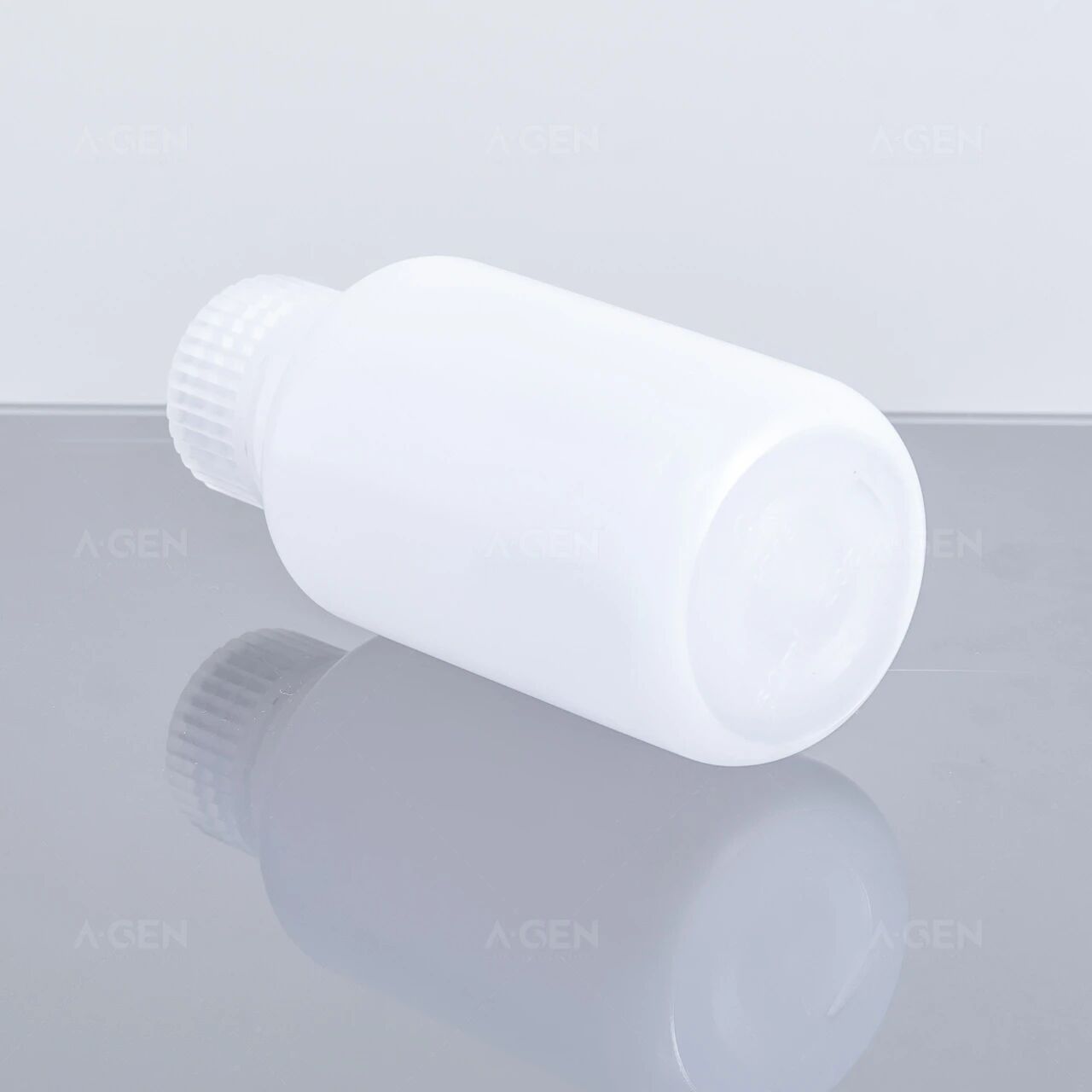
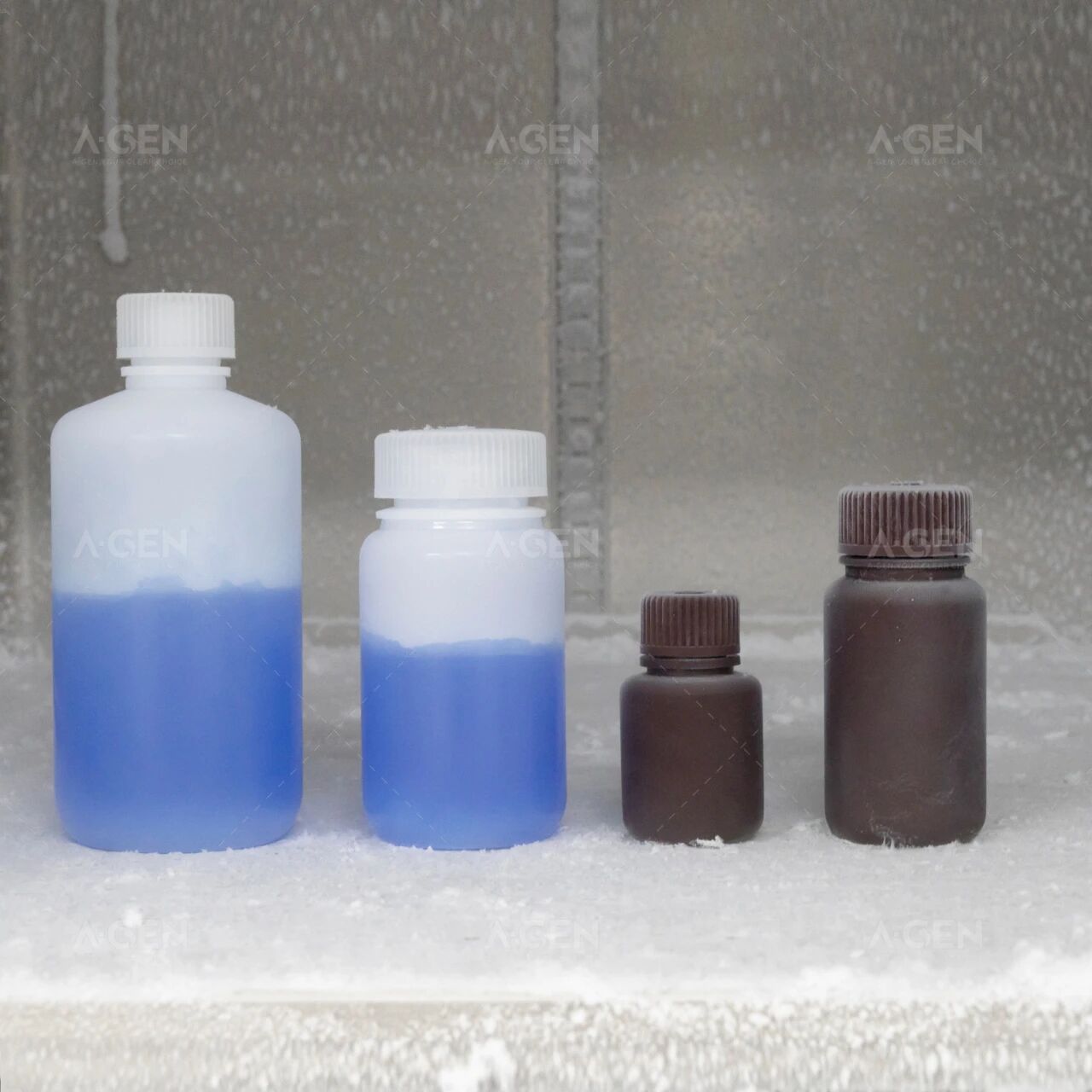
A-Gen PE Product Line: HDPE reagent bottles.
Key Advantages & Applications: A-Gen HDPE reagent bottles combine high mechanical strength, chemical inertness, and exceptional low-temperature stability. They are the ideal choice for storing reagents, buffers, and chemical solutions under refrigerated or frozen conditions without degradation.
03 Polystyrene (PS): High Optical Clarity & Surface Modification
Polystyrene (PS) features outstanding optical transparency with light transmittance exceeding 90%, making it ideal for microscopic observation. Its surface can be modified via tissue-culture (TC) treatment to promote cell attachment and growth.
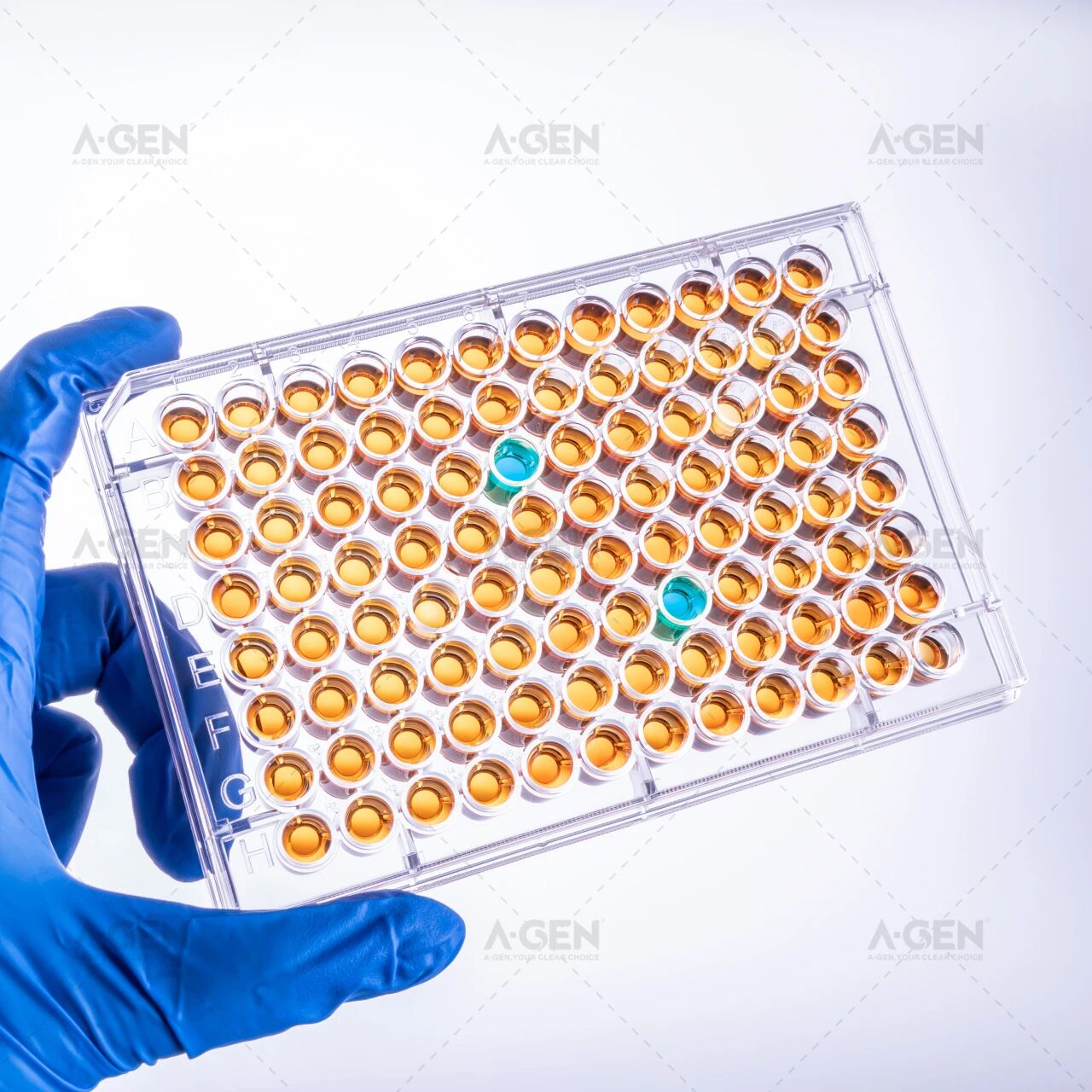
A-Gen PS Product Line: ELISA microplates, Petri dishes, PS culture tubes, serological pipettes, and cell culture consumables (cell culture dishes, plates, and flasks).
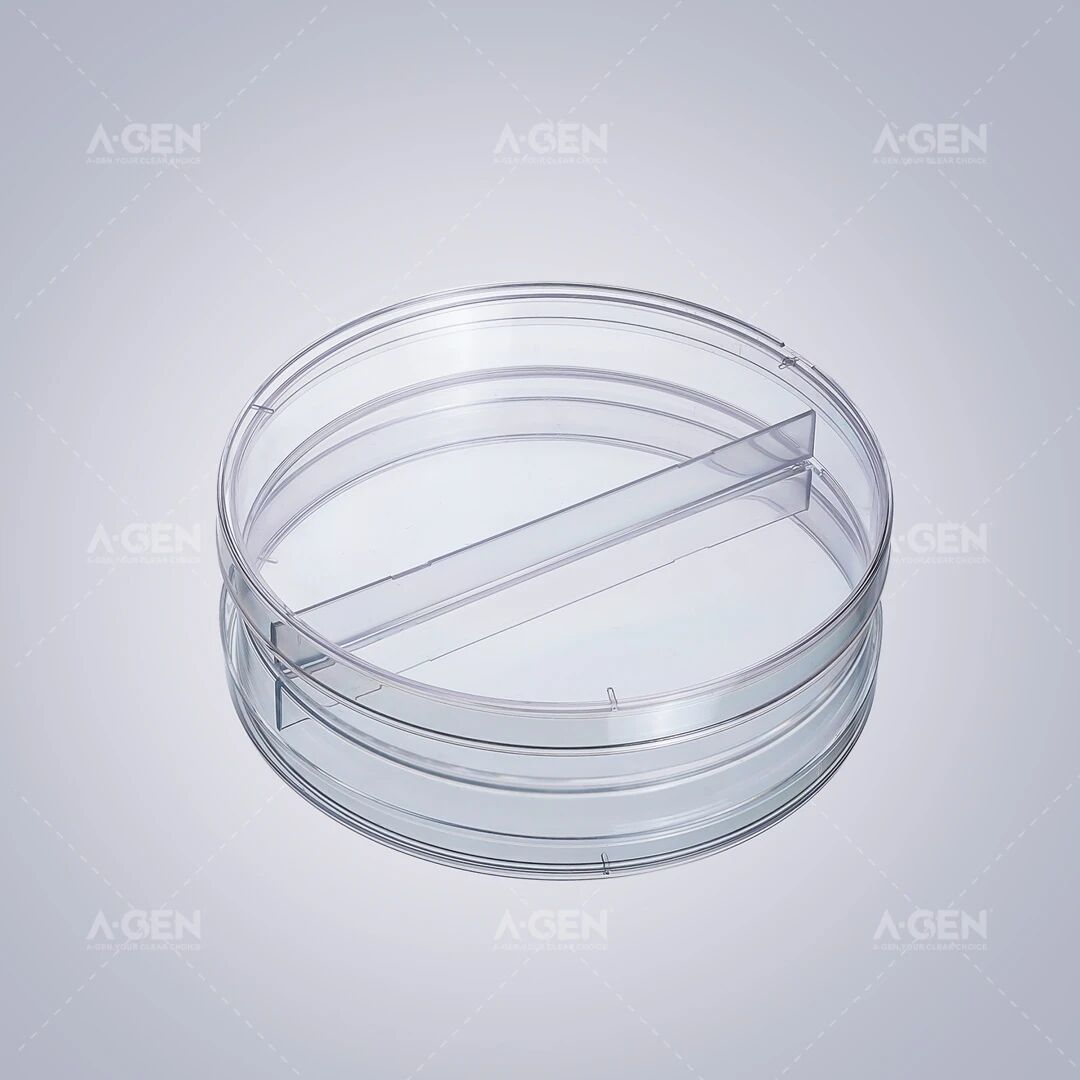
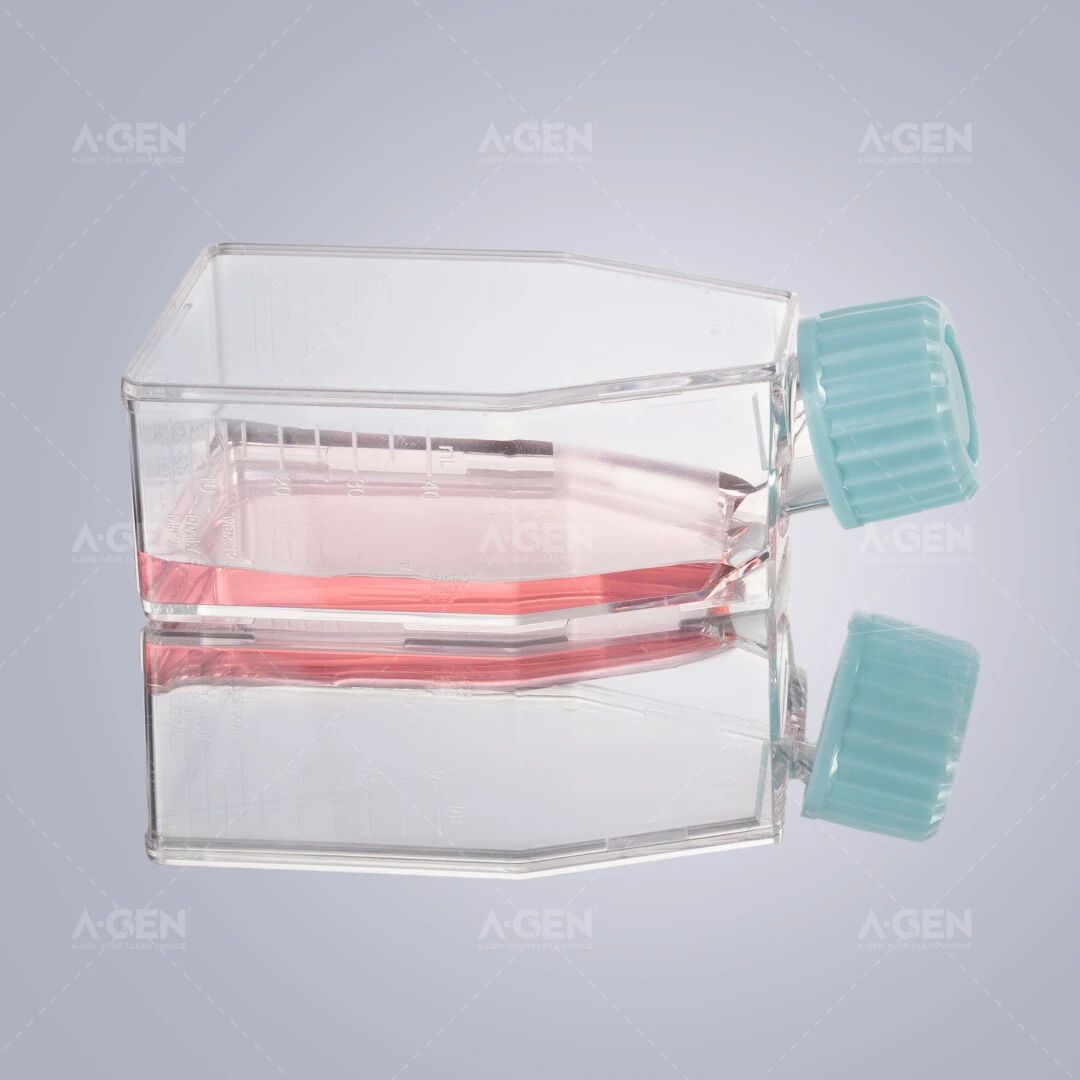
Key Advantages & Applications: Thanks to its crystal-clear transparency, A-Gen PS labware enables effortless monitoring of cell growth and reactions. A-Gen cell culture plates and dishes undergo optimized surface treatment to support adherent cell culture, ensuring consistent and reliable experimental results.
04 Polycarbonate (PC): High Impact Strength & Thermal Resistance
Polycarbonate (PC) is known for its extreme toughness, high clarity, and excellent heat resistance. It is well-suited for demanding laboratory applications requiring high-energy radiation sterilization or rigorous mechanical shaking.
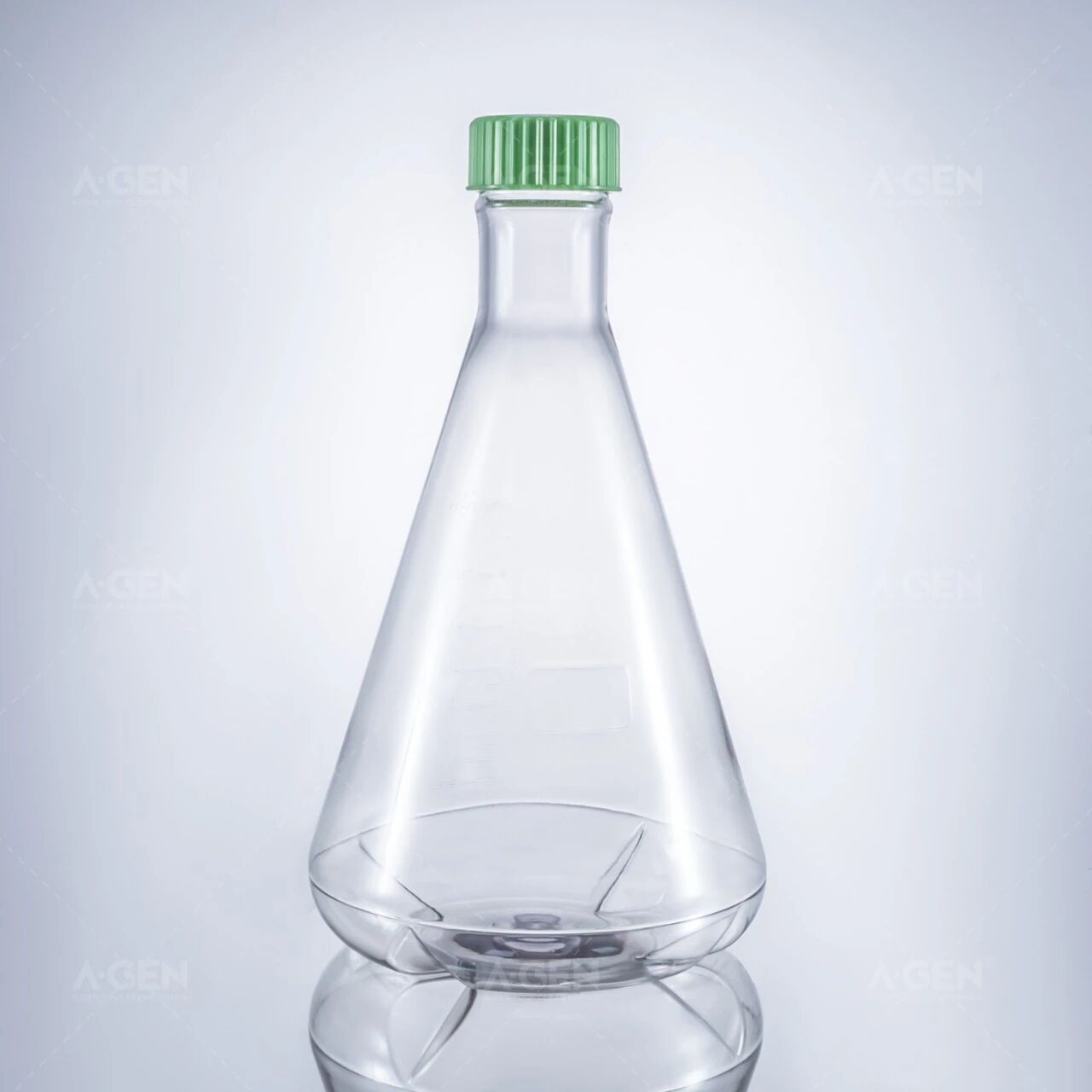
A-Gen PC Product Line: PC Erlenmeyer Shake Flasks.
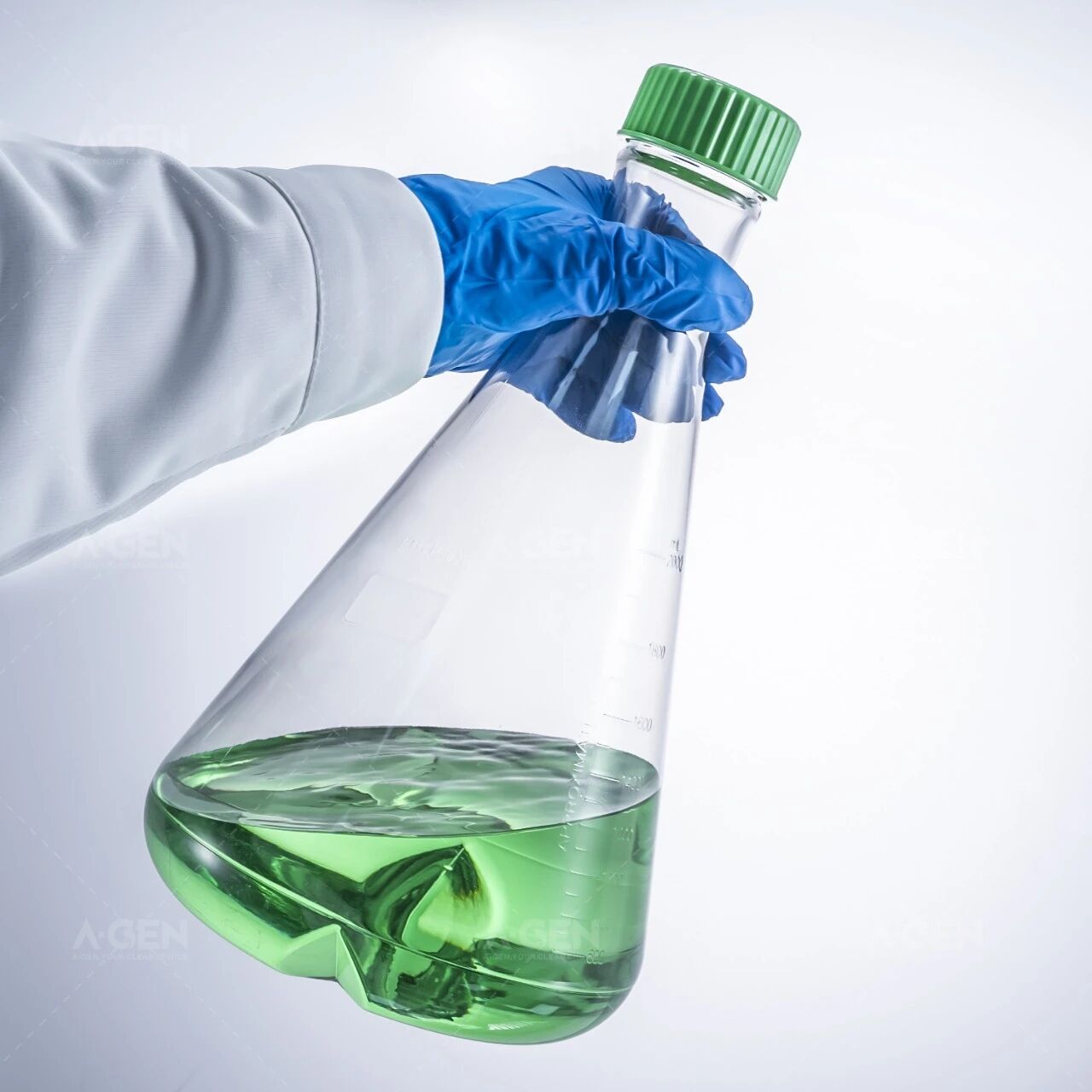
Key Advantages & Applications: A-Gen Erlenmeyer shake flasks are constructed from medical-grade PC material, offering high transparency, superior impact resistance, and oxidation resistance. They are widely used for suspension cell culture, bacterial fermentation, industrial strain screening, and scale-up studies.
Conclusion
Selecting the right plastic material is crucial to maintaining sample integrity and achieving accurate experimental data. A-Gen offers a comprehensive portfolio of high-quality plastic consumables tailored to different material properties and experimental conditions.
From high-temperature autoclaving to ultra-low temperature storage, and from cell culture to chemical storage, A-Gen products deliver safety, reliability, and precision for laboratories worldwide.
Choose A-Gen, Choose Quality.