Cell culture plates are key labware for cell experiments. The right choice helps cells grow well and ensures reliable test results.
Plates differ by bottom shape, well number, surface treatment and color. Pick based on your cell type, liquid volume and experiment type.
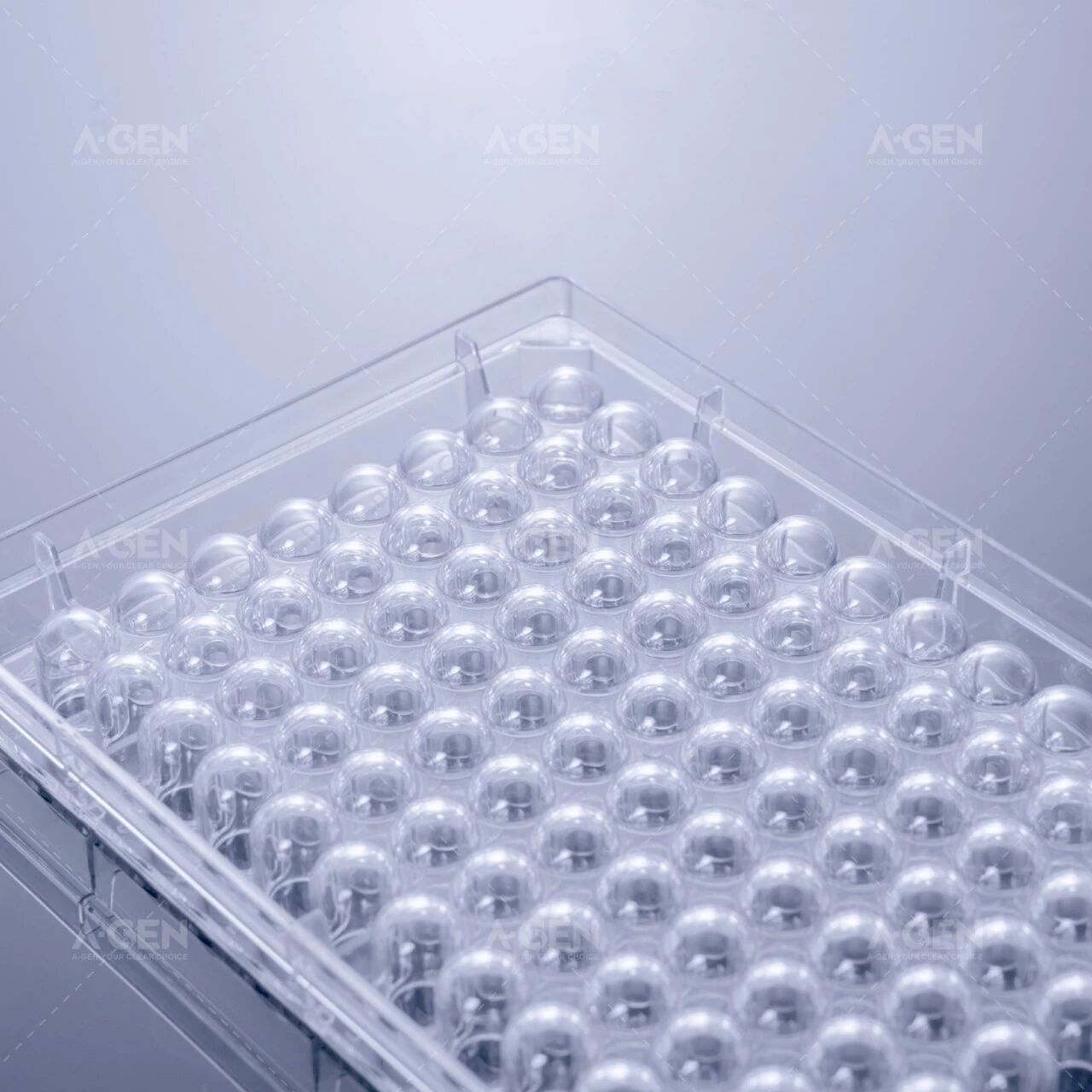
Bottom shape Flat-bottom: Most common. Works for almost all cell culture, easy for microscope checking. U-bottom: For immune tests like lymphocyte co-culture, cells gather together easily. V-bottom: Used for cell killing and hemagglutination tests.
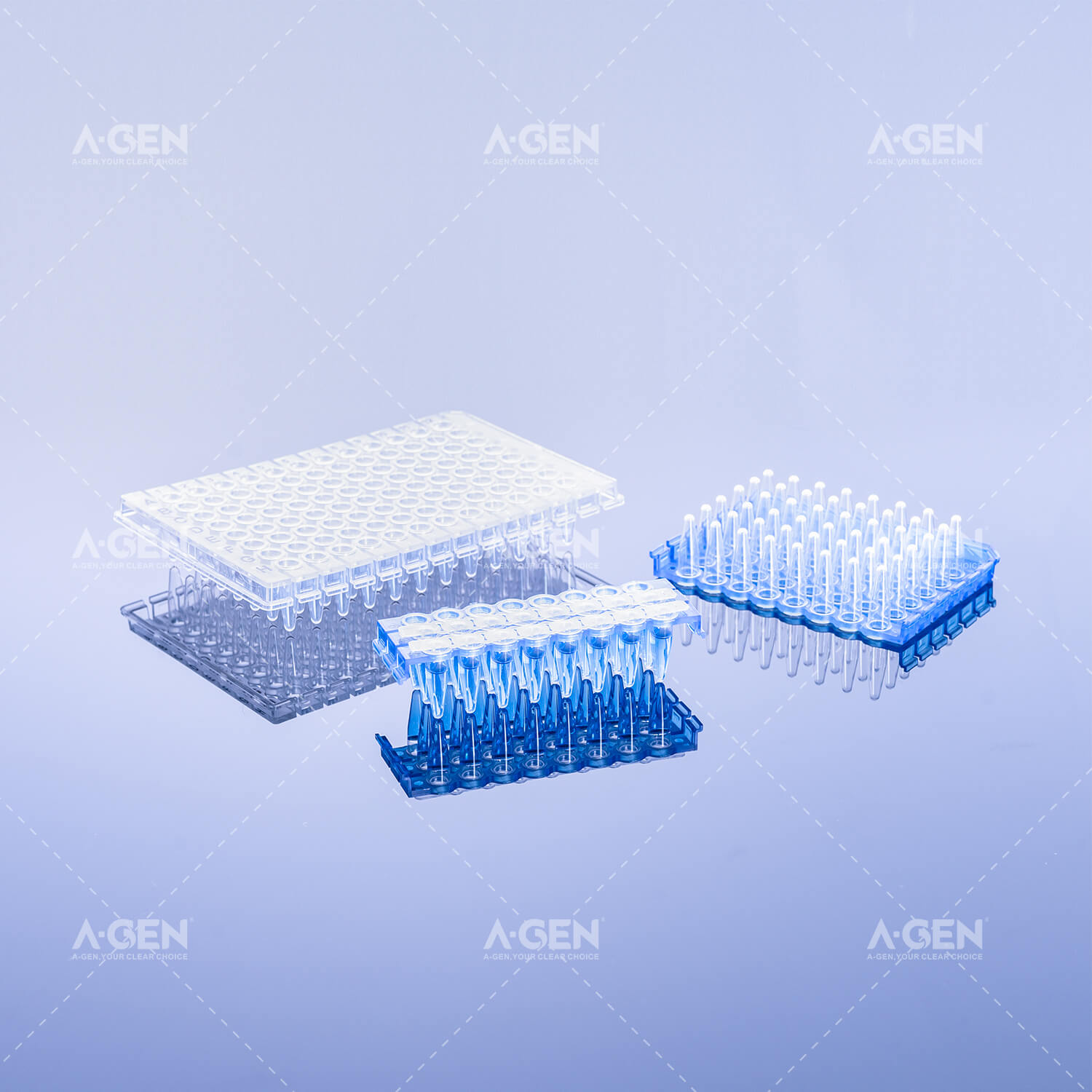
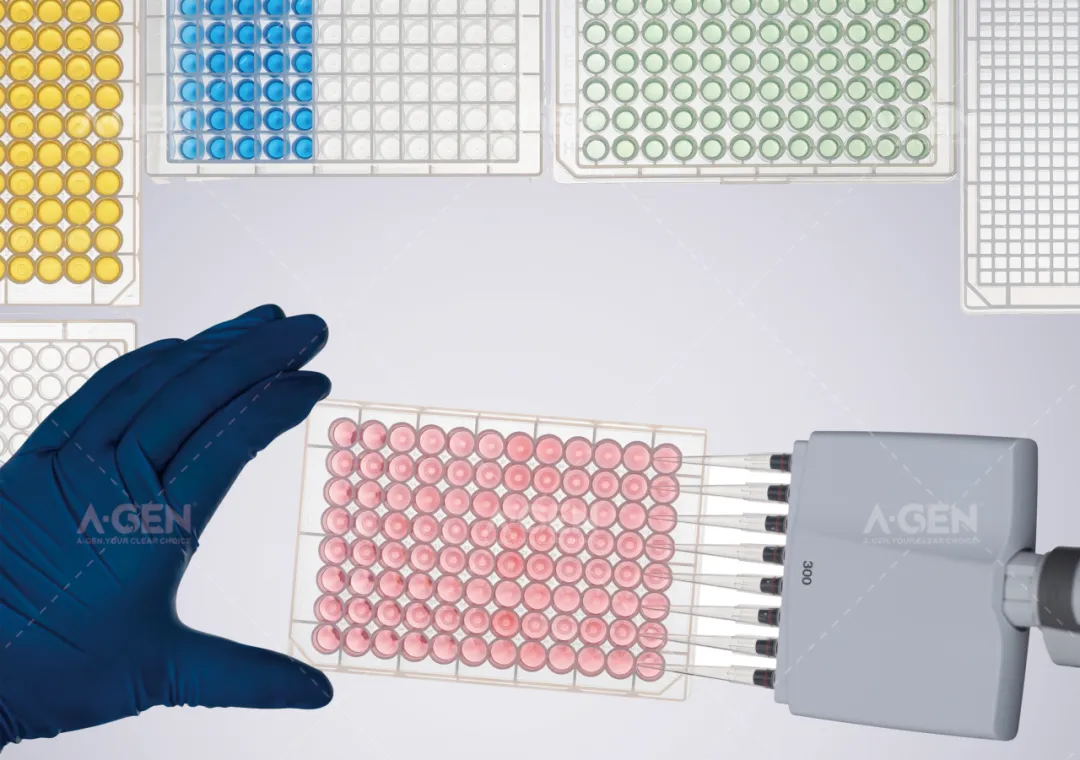
Well number 6 /12 /24 /48-well: Immunofluorescence, scratch test, staining, cell transfection. 96-well: CCK-8, MTT, ELISA, BCA protein test. 384-well: High-throughput screening.
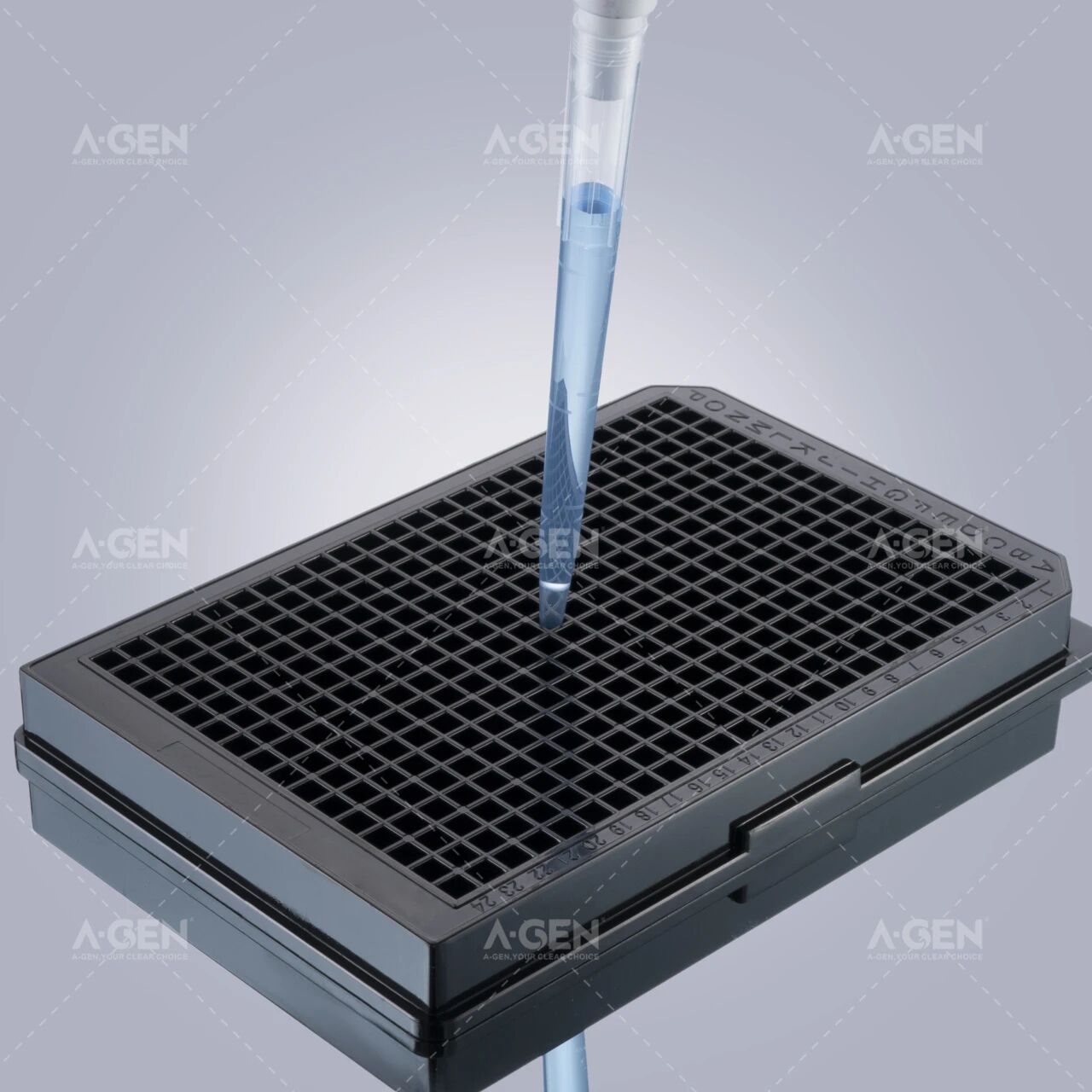
Surface treatment TC-treated: Hydrophilic surface for adherent cells to stick and grow. Ultra-low attachment: Stops cells from sticking, great for suspension cells and 3D cell spheroid culture.
Plate color Clear: Easy to check cell shape, for microscopy and color tests. Black: Reduces light interference, for fluorescence tests. White: Boosts luminescence signals for chemiluminescence tests. Black clear-bottom: Blocks side light while allowing bottom imaging (confocal, live cell imaging). White clear-bottom: For luminescence tests that also need imaging.
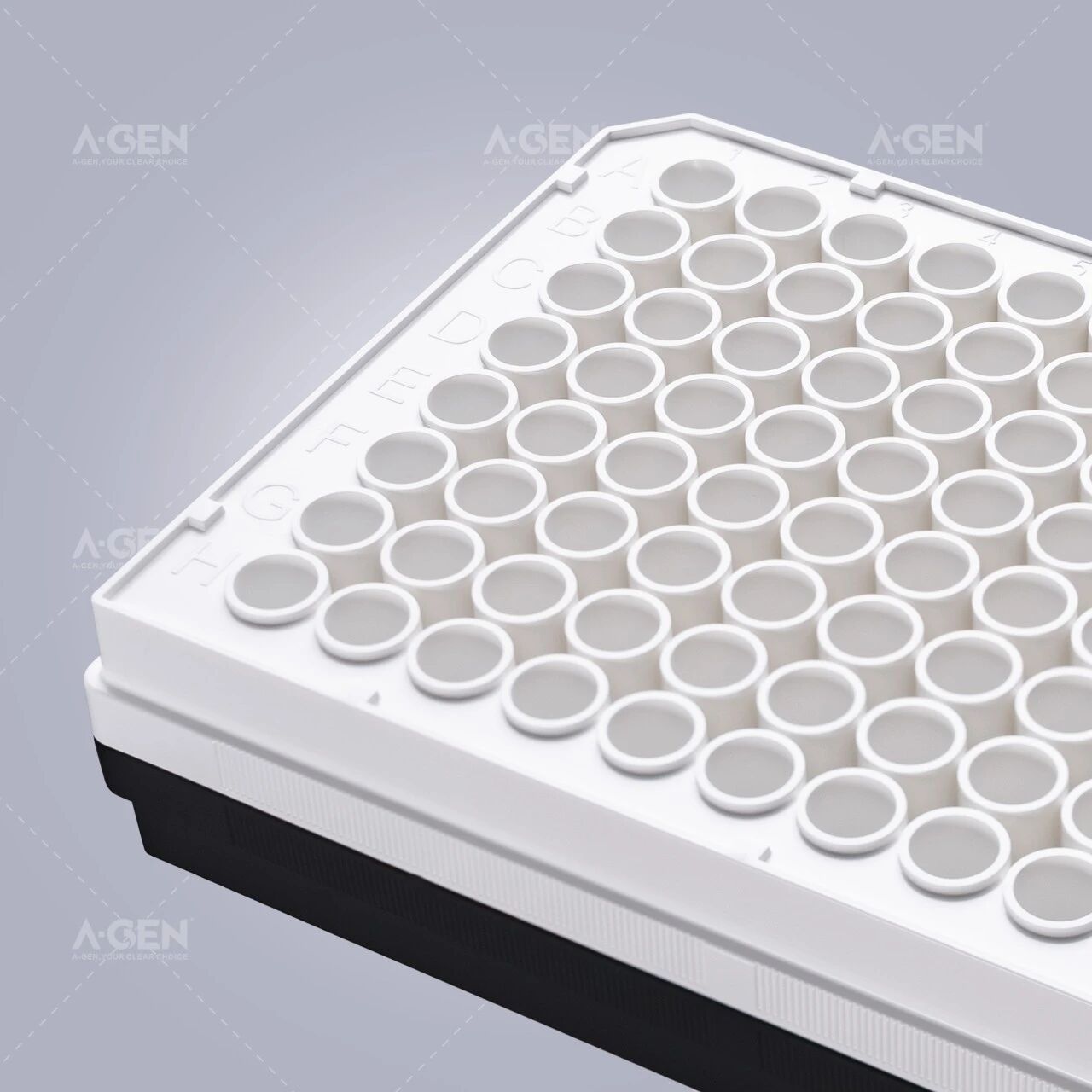
Cell culture plate vs ELISA microplate ELISA microplates are usually more expensive. Cell culture plates are mainly for cell culture and can also test protein concentration. ELISA microplates are designed for immune reaction detection, not for cell culture.
Choose A-GEN for stable quality. Our cell culture plates use USP Class VI medical-grade polystyrene. They are free of endotoxin, DNase and RNase, sterilized by EO. We supply many specifications: various well numbers, flat/U/V bottoms, TC-treated or untreated, clear / black / white / clear-bottom plates to fit your cell, molecular and microbial tests.