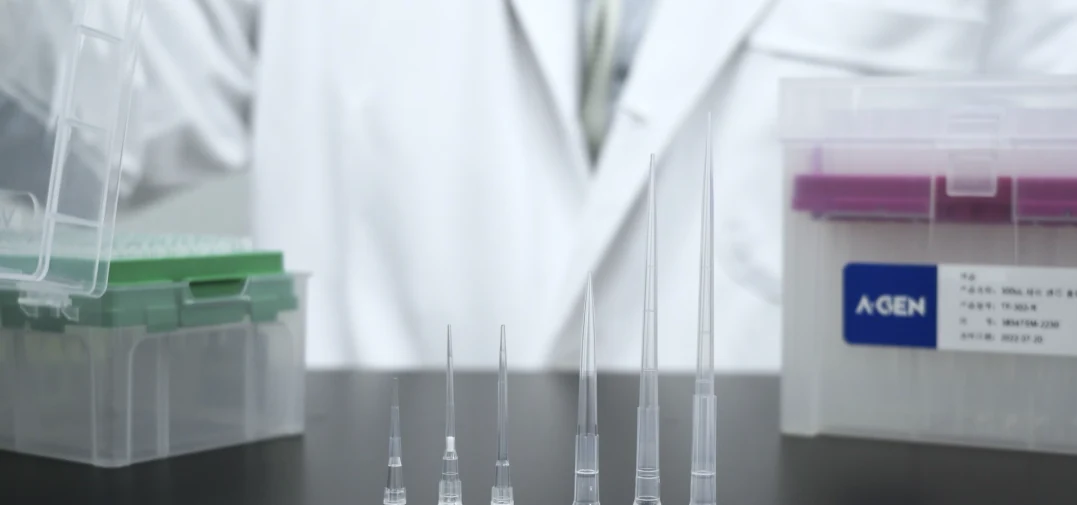
Choosing pipette tip volume and length requires more than matching the number on the box to the pipette setting. The tip must seal on the exact pipette, contain the complete aspiration without wetting a filter, and reach the liquid while keeping the pipette shaft clear of the vessel.
Use this decision order: pipette model, working volume, vessel geometry, liquid behavior, then an application test. Capacity answers “will the liquid fit?” Length answers “can the tip reach safely?” Neither proves compatibility by itself.
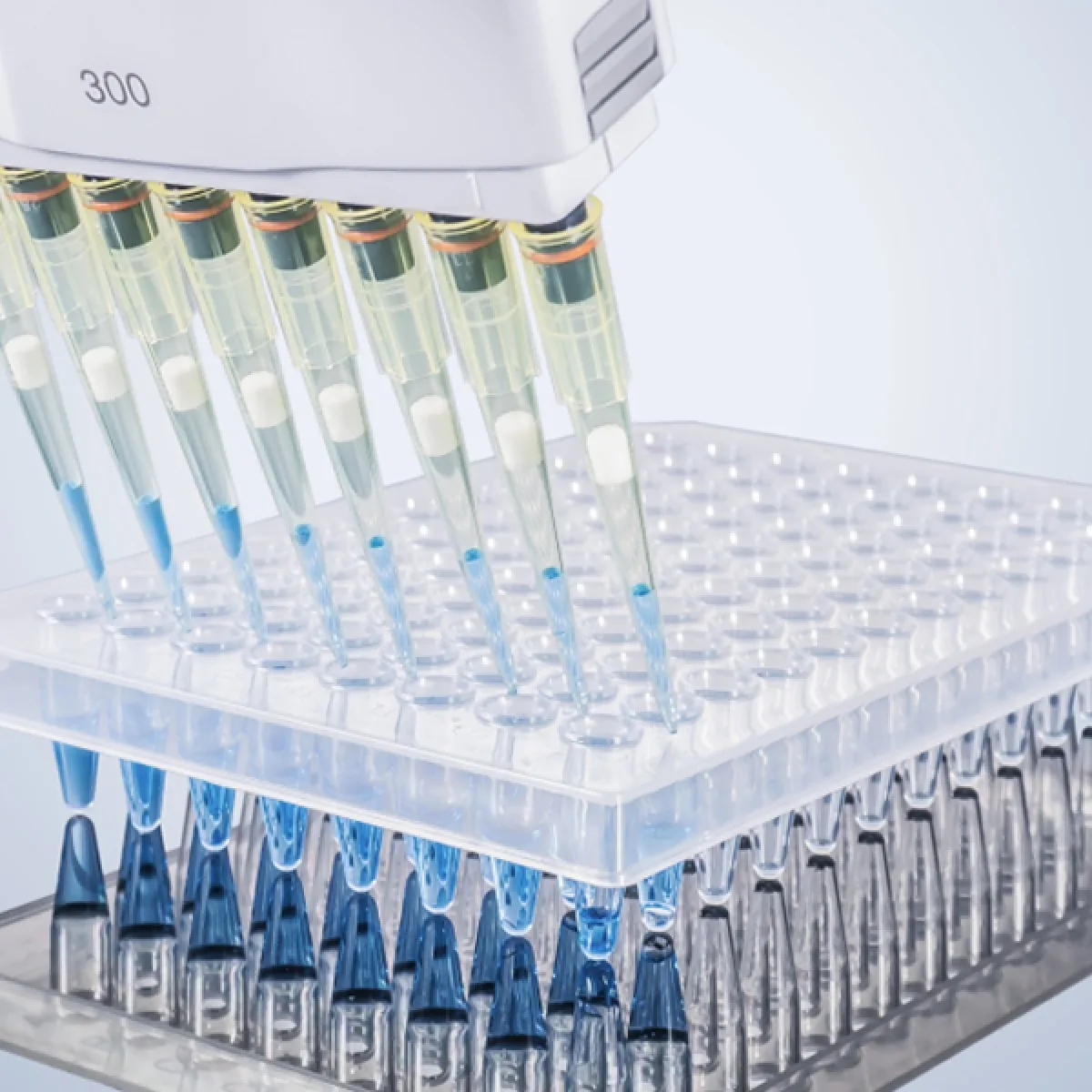
Start with the pipette, not the tip label
Record the pipette manufacturer, model, channel count, and stated operating range. A nominal 200 µL tip is not automatically suitable for every pipette set to 200 µL because cone geometry, seating depth, and ejection design can differ.
The transfer must be within the pipette’s permitted range and the tip’s stated capacity. If a method repeatedly operates near the lower limit of a large pipette, evaluate a smaller-volume pipette and matching tip according to the instrument instructions rather than applying a universal percentage rule.
A-GEN’s Universal Tip product family presents several volume and format options, including extended-length tips. Use it as a family-level shortlist, then confirm the exact catalog item against the exact pipette model.
How should I choose pipette tip volume?
Choose the smallest suitable pipette-and-tip system whose documented range covers the complete aspiration. Check five items:
1. Target volume: Include the largest programmed aspiration, not only the delivered aliquot.
2. Pipette range: Use the range stated for the exact instrument and operating mode.
3. Tip capacity: Confirm the specification for the filtered or non-filtered version being considered.
4. Technique: Reverse pipetting and multi-dispense methods can aspirate more than one delivered aliquot.
5. Safety margin: Do not plan for liquid to contact the filter or enter the tip cone.
The current Standard Pipette Tips specification list can be filtered by nominal volume, filter status, retention type, and packaging. These fields help narrow a candidate, but the displayed volume alone is not a compatibility statement.
Account for the filter
A filter occupies internal space. It is a barrier against aerosol or splash transfer into the pipette, not a liquid stop that should be wetted. For reverse pipetting, pre-wetting, or programmed over-aspiration, confirm that the total aspirated volume remains below the applicable limit for that filtered tip.
If the filter becomes wet, stop and follow the laboratory’s contamination and pipette-cleaning procedure.
When does pipette tip length matter?
Length matters when the source or destination is deep, narrow, recessed, or obstructed. An extended tip may reach a low liquid level while reducing contact between the vessel and the pipette shaft. This can help with deep tubes, reagent bottles, and some reservoirs.
Longer is not always better. Extra length can change aspiration timing, handling leverage, and air-cushion behavior. Some pipette manufacturers require adjustment or verification for specific extra-long tips. Use a standard-length tip when it provides adequate reach and clearance and passes the method’s acceptance criteria.
Do not confuse length with immersion depth
Tip length is physical reach. Immersion depth is how far the tip end sits below the liquid surface during aspiration.
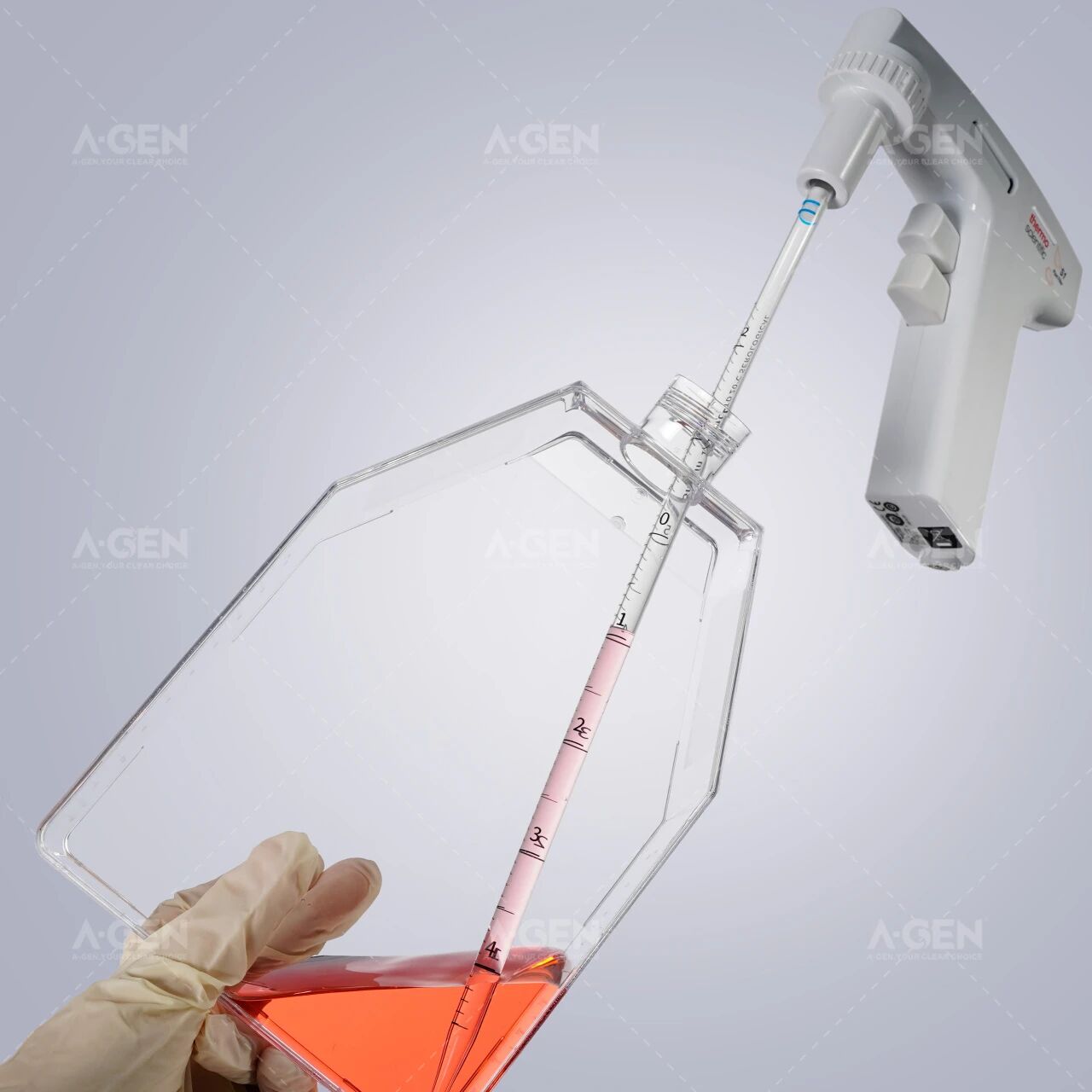
Too little immersion can draw air as the liquid level falls. Excessive immersion can wet the outer wall, while touching the vessel bottom can restrict aspiration. Follow the pipette manufacturer’s guidance and keep the pipette vertical; do not solve a reach problem by submerging most of the tip.
Measure the vessel before specifying an extended tip
Record:
- vessel height and opening diameter;
- lowest and highest working liquid level;
- any cap, septum, shoulder, or recessed well that limits access;
- required clearance between the vessel and pipette shaft;
- whether a multichannel head can approach without collision;
- the method’s required immersion depth.
Test the least favorable condition, often the lowest liquid level in the deepest vessel. A tip that works in a full reservoir may fail when the level drops.
Match volume and length as one system
| Workflow | Volume question | Length question | Confirm before approval |
|---|---|---|---|
| Low-volume tube or plate | Does the documented range cover the complete aspiration? | Can a standard tip reach without wall contact? | Seal, immersion depth, repeatability |
| Deep tube or bottle | Is there space for the aspiration and technique allowance? | Can an extended tip reach the lowest level with shaft clearance? | Exact fit, reach, timing, carryover risk |
| High-volume transfer | Are pipette and tip both rated for the full aspiration? | Is the long or short format specified for the exact setup? | Catalog item, cone fit, pause, delivery test |
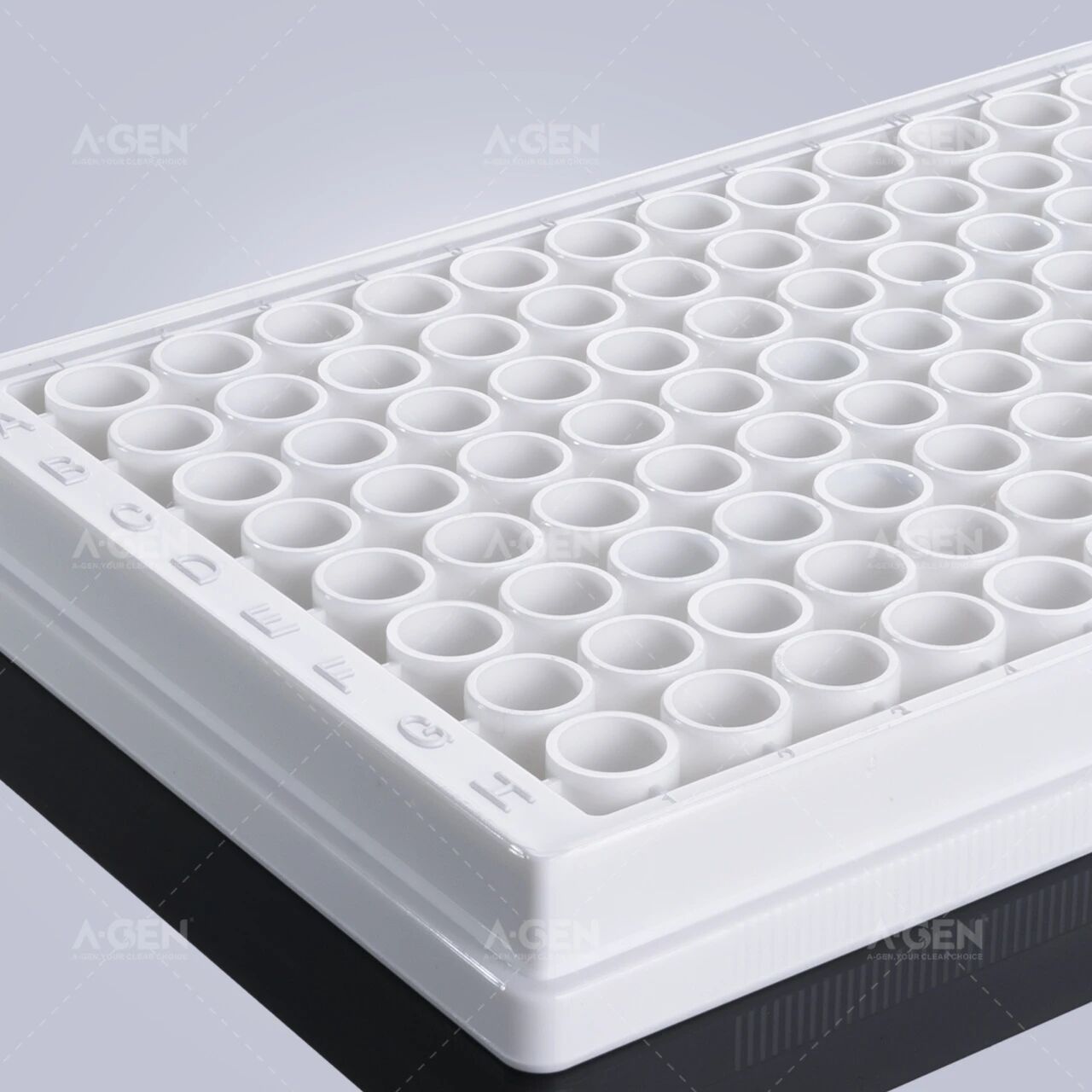
| Multichannel plate | Is every programmed step within range? | Do all tips enter evenly without collision? | Seating, channel consistency, plate geometry |
| Filtered transfer | Will liquid remain below the filter? | Does the filtered format provide enough reach? | Filter clearance, fit, contamination controls |
What should I verify before approving a tip?
Qualify the final pipette-tip-vessel combination under the actual method. Test relevant volumes with the real liquid or a justified surrogate, and record:
- pipette model, channel count, and asset ID;
- tip catalog number, lot, nominal volume, length, filter, and retention status;
- source and destination vessels;
- aspiration volume, speed, angle, immersion depth, and pause;
- seating, ejection, bubbles, exterior wetting, filter wetting, and residue;
- delivered-volume or method-specific acceptance results.
Changing from standard to extra-long, filtered to non-filtered, or one capacity to another may require controlled requalification. A passing fit check alone does not prove quantitative performance.
The A-GEN pipette tip selection guide provides a broader overview of filtered, extended, retention, gel-loading, and large-capacity formats. Use it to identify the format question, then return to the exact specification and application test.
Common selection mistakes
- Buying by capacity alone: Equal printed capacities can have different cone interfaces, lengths, filter positions, or rack designs.
- Choosing extra length without a reach problem: Longer tips do not replace correct immersion depth, vertical aspiration, or tip changes.
- Ignoring total aspiration: Reverse pipetting, pre-wetting, and multi-dispense methods can put more liquid in the tip than the delivered aliquot.
- Testing only a full vessel: Reach must be checked at the lowest working liquid level.
Frequently asked questions
Should tip capacity match the pipette’s maximum volume exactly?
It must cover the intended aspiration and be specified for the pipette, but matching numbers are not enough. Confirm fit, filtered-tip limits, and method performance.
When should I choose an extended-length tip?
Use one when a standard tip cannot reach the required liquid level with adequate shaft clearance. Confirm any adjustment requirement and revalidate the method.
How do I compare two candidate tips?
Keep the pipette, liquid, volume, vessels, technique, and environmental conditions constant. Compare seating, reach, filter clearance, exterior wetting, residue, and quantitative delivery against predefined criteria.
Conclusion
To choose pipette tip volume and length, match the tip to the exact pipette, make sure the complete aspiration fits within the permitted capacity, and select length from the lowest liquid level and required shaft clearance. Approve the catalog item only after the combined pipette, tip, liquid, and vessel pass the real method.