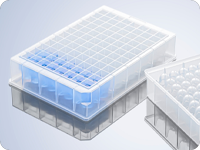
The practical difference between sterile and non-sterile pipette tips is not simply “clean” versus “unclean.” A sterile tip is supplied with a sterility claim for the product in its unopened protective packaging. A non-sterile tip is supplied without that claim. The right choice depends on what your method must protect, which contaminants matter, and what evidence your laboratory requires.
Sterile tips are usually the safer starting point when introducing viable microorganisms could invalidate the work, such as aseptic cell handling or microbiology workflows. Non-sterile tips can be appropriate for routine transfers where microbial contamination is not a defined risk. Neither choice removes the need to check tip fit, volume range, packaging, filtration, and any separately required purity certification.
What does “sterile pipette tip” actually tell you?
Sterility addresses viable microorganisms. It does not automatically prove that a tip is free of DNase, RNase, endotoxin, pyrogens, DNA, PCR inhibitors, or other contaminants. Those are separate claims that require their own specifications or test documentation.
Packaging is part of the decision. A sterile product remains useful only if its protective packaging is intact and it is opened and handled in a way that preserves the required state. Once a rack is opened in an uncontrolled area, the original supply claim does not guarantee how every remaining tip will be handled afterward.
For purchasing, record at least the catalog number, sterility status, sterilization method if relevant to your quality system, lot identification, shelf life, packaging configuration, and the documentation available for that exact item.
When should you use sterile pipette tips?
Use sterile tips when your risk assessment or SOP requires them. Common examples include:
- aseptic cell culture transfers;
- microbiology work where unintended organisms would compromise the result;
- preparation of sterile media, reagents, or controls;
- clinical, diagnostic, or regulated workflows that specify sterile consumables;
- procedures performed in controlled environments where sterile supplies form part of the contamination-control plan.
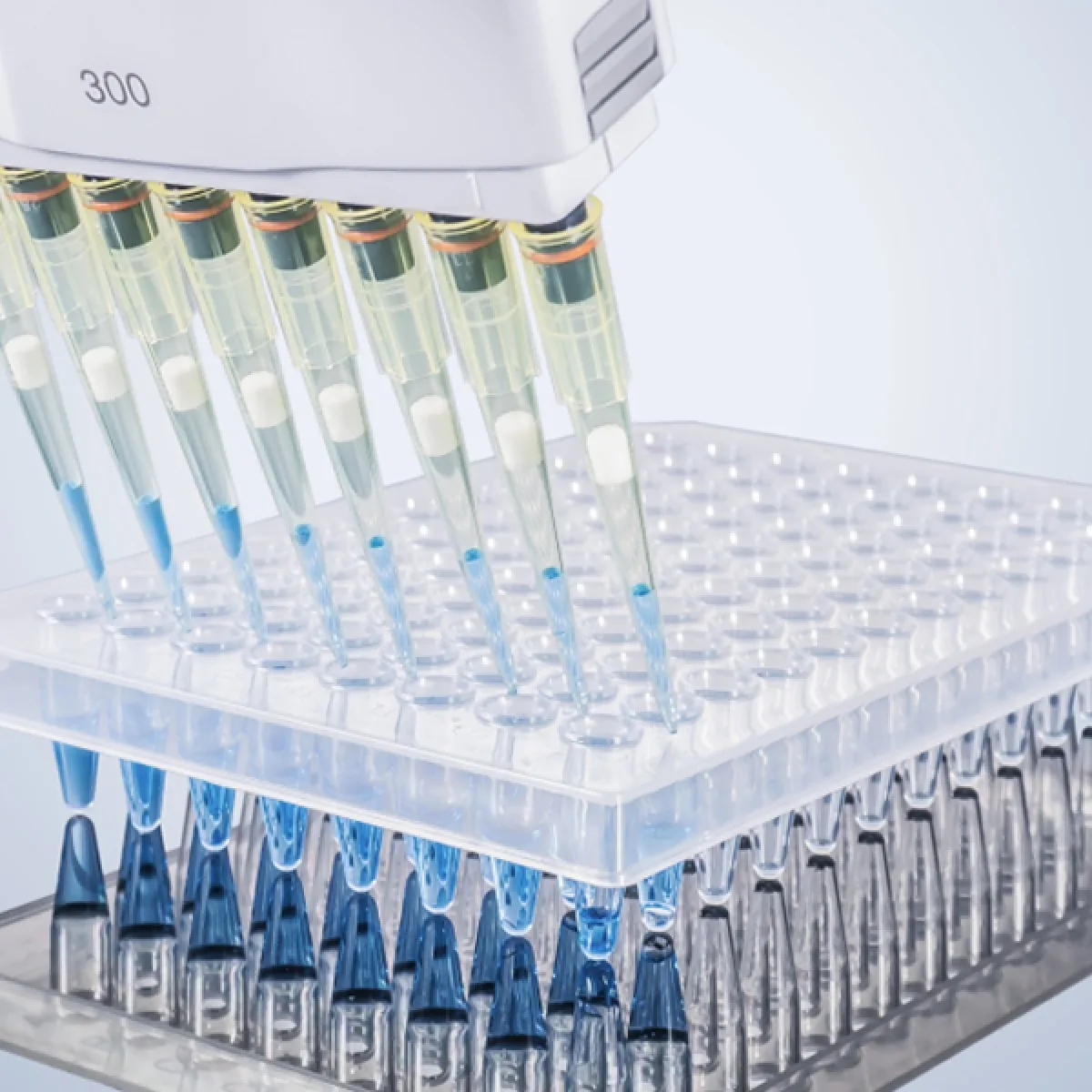
Sterile tips may also be selected for sensitive molecular workflows, but sterility alone is not a complete specification. If an assay is vulnerable to nucleases, endotoxin, human DNA, or PCR inhibitors, request the relevant purity evidence separately. If aerosol transfer into the pipette is a concern, decide whether a barrier tip is also required.
When are non-sterile tips appropriate?
Non-sterile tips can be a rational choice when the method does not depend on the absence of viable microorganisms. Examples may include general reagent preparation, buffer transfers, analytical chemistry, instrument setup, teaching laboratories, or other routine operations whose risk assessment permits non-sterile consumables.
“Non-sterile” does not mean visibly contaminated or unsuitable for laboratory use. It means the item is not supplied with a sterility claim. The lab must still control storage, dust, handling, tip changes, and contact with work surfaces. A non-sterile tip should not be upgraded by assumption simply because it comes from a sealed bag or clean-looking rack.
Sterile, filtered, purity-certified, and autoclavable are different attributes
These labels answer different questions:
| Attribute | Question it answers | What it does not prove |
|---|---|---|
| Sterile | Is the unopened product supplied with a sterility claim? | Nuclease-, endotoxin-, DNA-, or inhibitor-free status |
| Filtered/barrier | Is there a barrier intended to reduce aerosol or liquid transfer toward the pipette? | Sterility unless separately stated |
| Purity-certified | Has a named contaminant been tested or controlled to a stated limit? | Absence of viable microorganisms unless sterility is also claimed |
| Autoclavable | Can the specified item tolerate a defined autoclave process? | That it is sterile before processing or remains dimensionally suitable after an unvalidated cycle |
Do not use one checkbox as a substitute for another. For example, PCR work may call for filtered tips plus specific contaminant controls, while aseptic media preparation may prioritize sterility and packaging integrity. The method defines the combination.
How to compare A-GEN sterile and non-sterile options
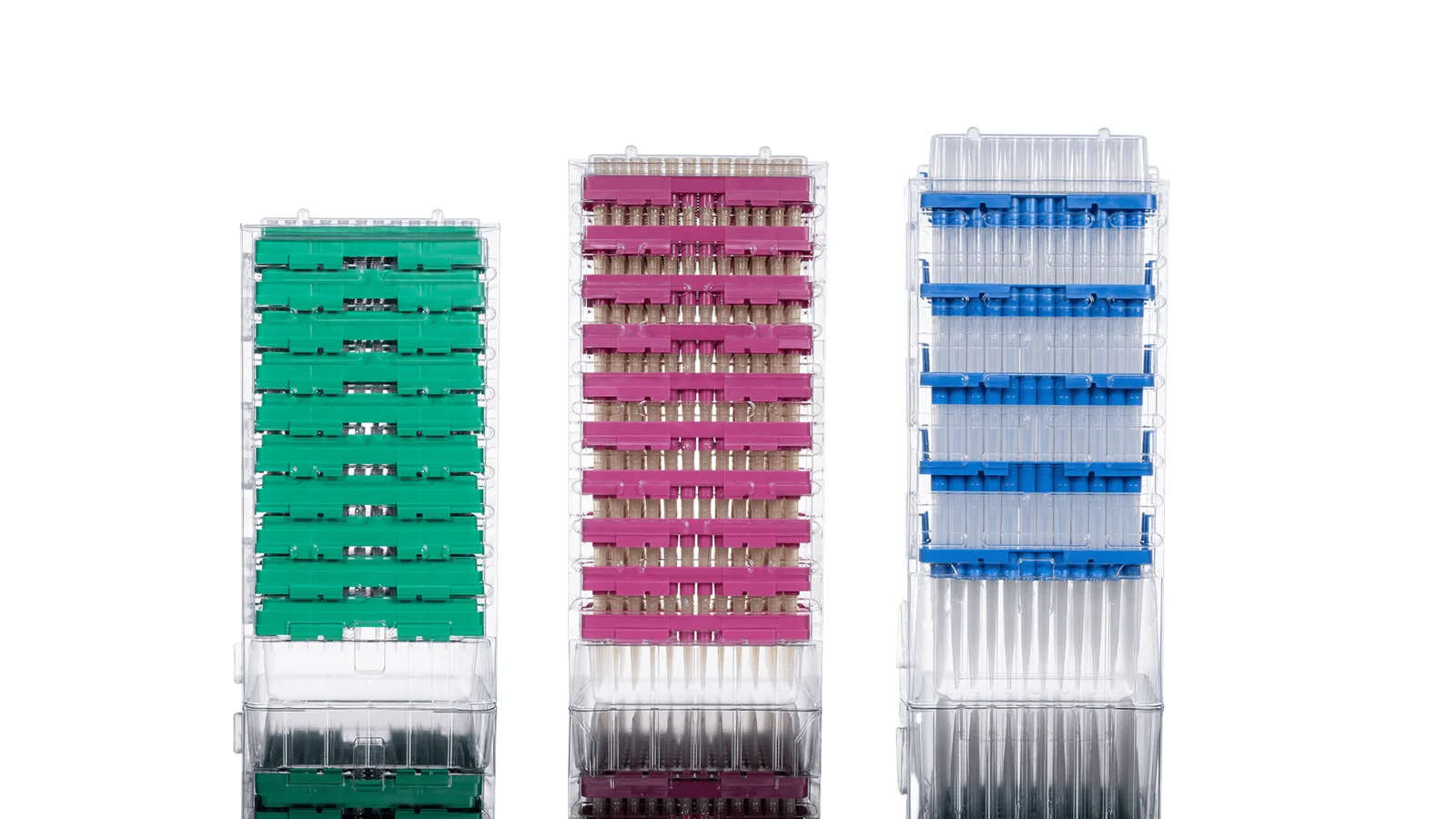
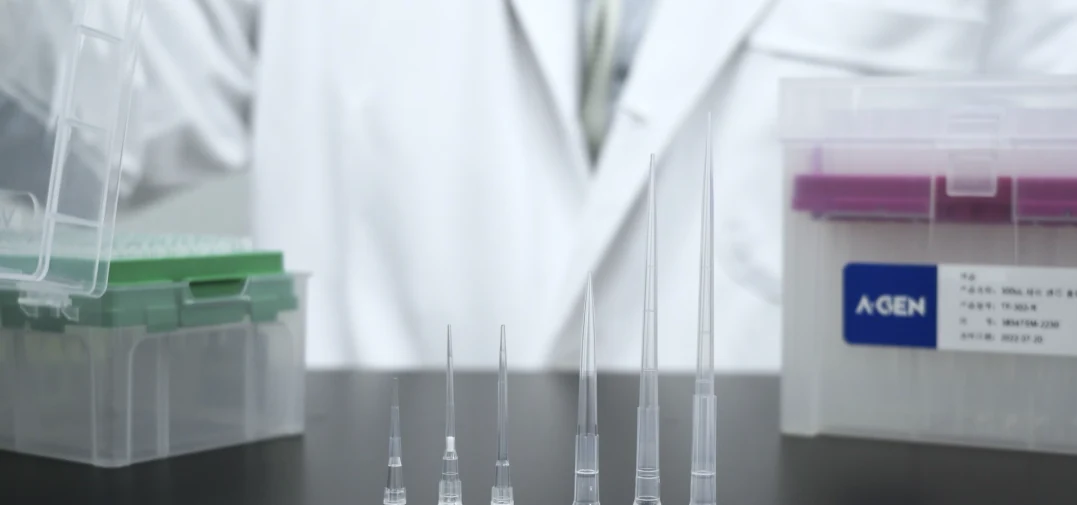
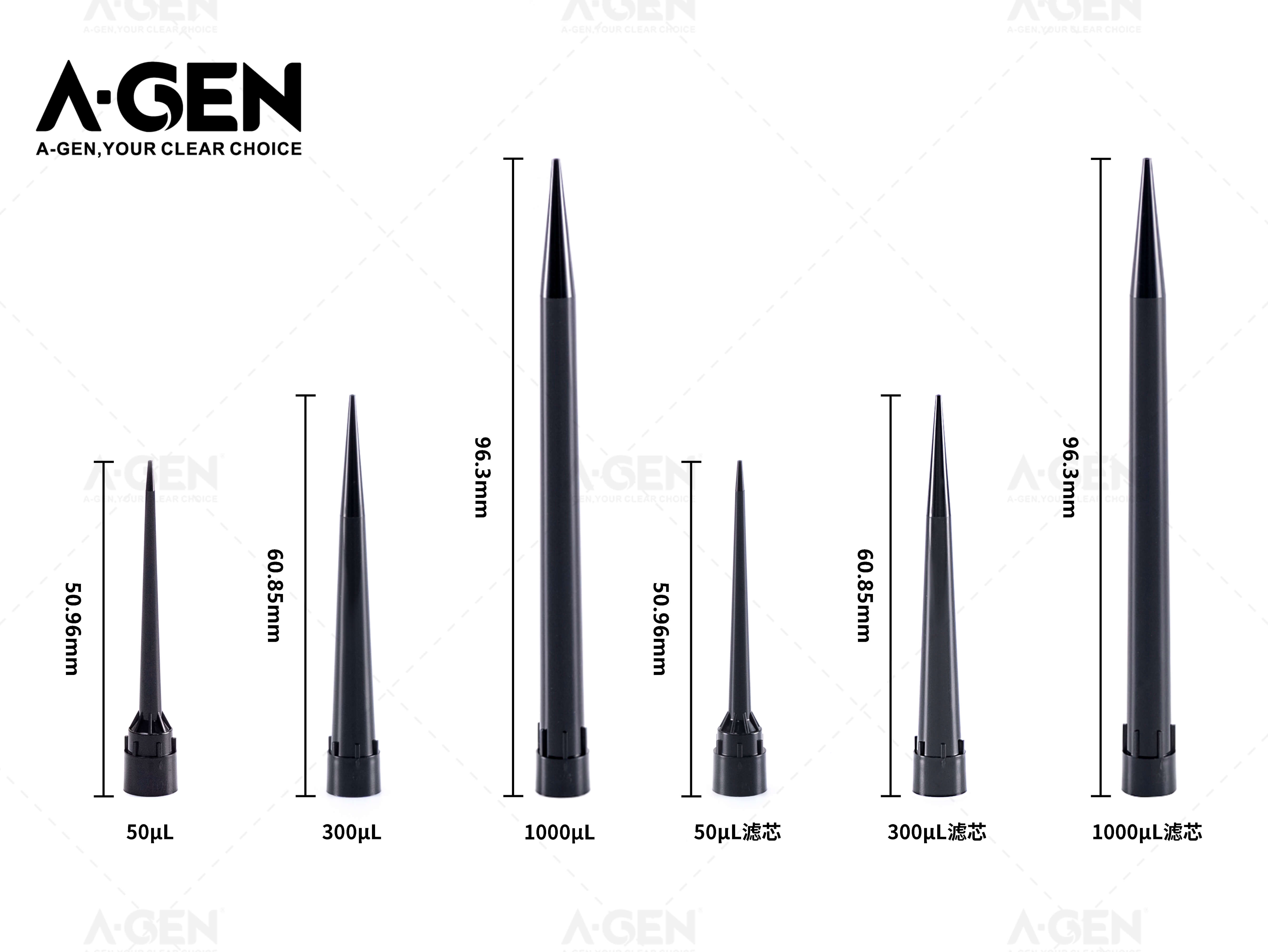
A-GEN’s stackable pipette tip range currently exposes separate Sterilized and Non-Sterilized filters and lists catalog-specific descriptions. This makes the page useful for shortlisting, but it is not a substitute for reviewing the exact item documentation.
Start by matching the pipette, nominal volume, tip format, and packaging. Then compare the sterile and non-sterile catalog numbers for the same operating need. Confirm whether low-retention treatment or a filter is also required; these are independent choices. The broader pipette tip selection guide can help frame those additional variables.
Do not infer that every product-family member shares the same purity claims, sterilization status, shelf life, or supporting documents. A product is suitable only after the exact configuration has been checked against the method and the pipette system.
A five-step selection checklist
1. Define the contamination risk. Decide whether viable microorganisms, aerosols, nucleases, endotoxin, DNA, or chemical residues could affect the result.
2. Translate the risk into separate requirements. Mark sterility, filtration, purity claims, packaging, and handling controls independently.
3. Select the physical tip. Confirm pipette fit, volume, length, orifice, retention behavior, and rack or reload format.
4. Review evidence for the exact catalog number. Check labels, certificates, lot information, expiry, and the scope of every claim.
5. Verify the workflow. Test fit and liquid-handling performance, then document how racks are opened, stored, and discarded.
If a required specification is not visible on the product page, ask A-GEN to confirm the exact catalog number and documentation before approving it. Include the pipette model, application, required purity attributes, packaging preference, and expected volume range in the enquiry.
Common mistakes to avoid
- Treating sterile and filtered as synonyms.
- Assuming sterilization removes nucleases or endotoxin.
- Describing all tips in a product family with the claim of one catalog number.
- Reusing an opened rack without a defined contamination-control procedure.
- Autoclaving tips or racks without confirming the manufacturer’s instructions and validating the process for the intended use.
- Choosing sterility while ignoring fit and liquid-handling performance.
FAQs
Are sterile pipette tips always filtered?
No. Sterility and filtration are separate attributes. A tip can be sterile and non-filtered, filtered and non-sterile, both, or neither, depending on the catalog configuration.
Are non-sterile pipette tips safe for routine laboratory work?
They can be appropriate when the method’s risk assessment does not require sterile consumables. Suitability still depends on fit, material, packaging, handling, and any purity requirements.
Can I autoclave non-sterile tips instead of buying sterile tips?
Only if the manufacturer identifies the specific tip and rack as autoclavable and your laboratory has a validated process for the intended use. Heat tolerance is not the same as a validated sterility claim, and processing can affect fit or packaging.
Do sterile tips guarantee DNase- and RNase-free performance?
No. Request a separate DNase/RNase claim and supporting documentation for the exact catalog number when the application requires it.
The purchasing rule
Choose sterile versus non-sterile pipette tips from the method’s contamination risk, not from habit. Then specify filtration, purity, fit, packaging, and documentation separately. That approach avoids both under-specifying sensitive work and over-specifying routine transfers.